

IN PRAISE OF IDLENESS IN THE AGE OF ARTIFICIAL INTELLIGENCE
Over the years, I have practiced stillness — I won't call it meditation, but it does involve ridding the mind of the clutter of thoughts. There is a bright emptiness in it. My experience is that idleness is not the opposite of a meaningful life, but its condition.
I can sit for hours, in nature or within the confines of my room, doing nothing. Idleness is soothing, engaging. It's a special state of being when you come into communion with your own self, with acceptance and no desire to change things or your surroundings. I'm attuned not just to my inner self but also to the present moment — thoughtless, inert, just there, not focused on anything, yet aware. Idleness does me good, and is a trusted companion; I take it with me on my solitary travels across the world. I find stillness in seraphic nature.

I often wonder: why has human civilization worshipped work, while
idleness is so often disdained?
The greatest minds have grappled with this question. Bertrand Russell,
one of the most influential philosophers of the twentieth century, argued in
his 1932 essay In Praise of Idleness that societies work far more than
necessary, and that true culture depends on leisure, not endless labour.
It's paradoxical. Thanks to technological progress, it takes much less
effort and time to produce life's necessities, yet industrial societies work
long hours, and inequality persists.
To me, the moral glorification of work is nothing but a powerful illusion. To Russell, this glorification "is the morality of slaves, and the modern world has no need of slavery." The rich and their sycophants praised toiling labourers and gave the praise a religious colour — claiming the toiling poor were more likely to reach heaven than their masters. The message was clear: hardship is a ticket to a better life in the otherworldly sphere, so do not question the inequity and injustice of this one.
Long before Russell, the Greeks understood the true nature of idleness. Interestingly, the Greek word scholē (σχολή) means leisure, spare time or rest and is the direct historical root for the modern English word 'school'. Aristotle explained that leisure is not laziness but the highest condition of
human existence — a nurturing state of reflection, education, and the arts,
where philosophy is cultivated. Civilization advanced not merely through labour
but through contemplation.
Indian philosophy is emphatic about this too. Nishkama Karma
teaches one to act without attachment to the fruits of action — inner freedom
lies in performing action without bondage to results.
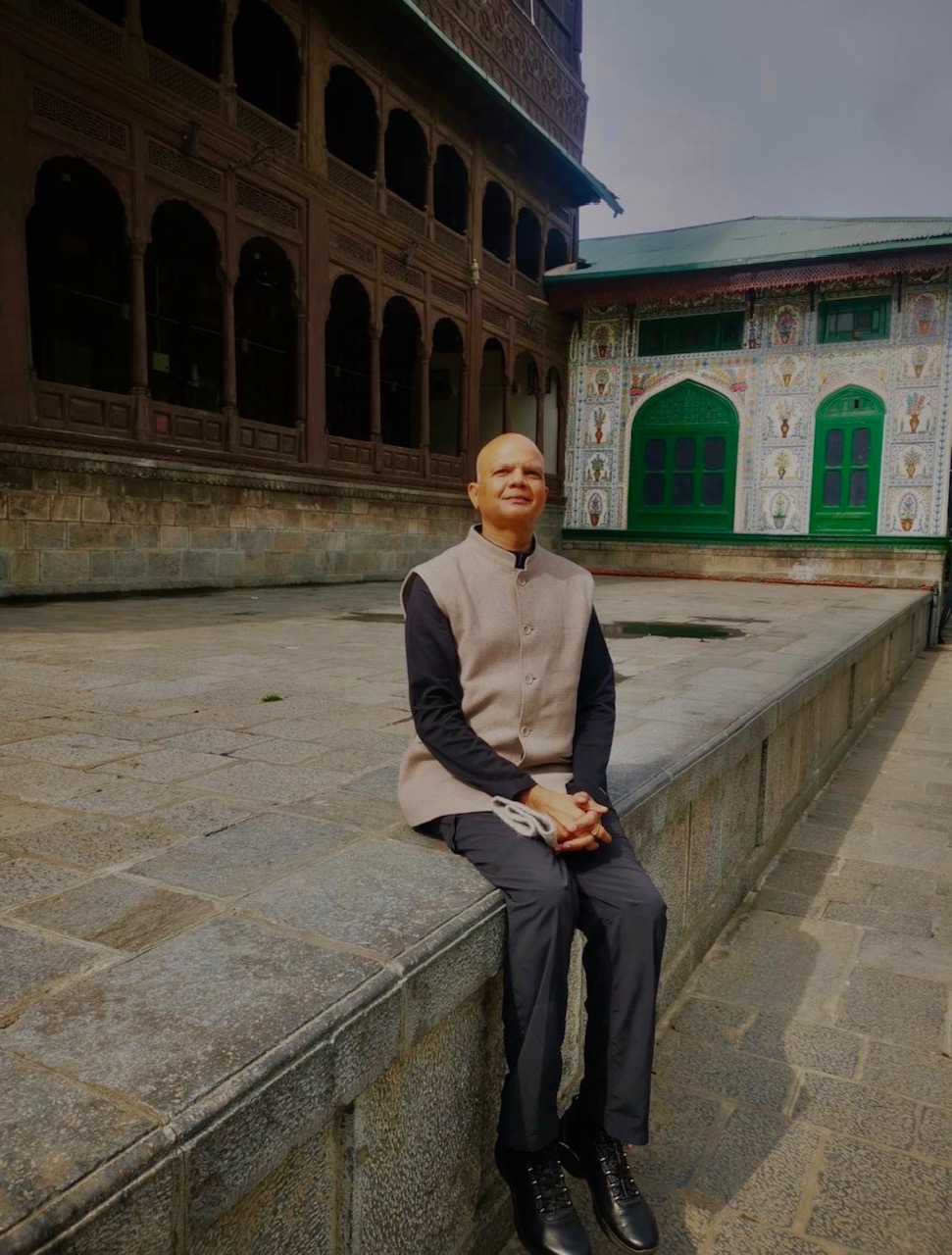
Over the years, I have practiced stillness — I won't call it meditation,
but it does involve ridding the mind of the clutter of thoughts. There is a
bright emptiness in it. To me, leisure is not an escape from life but a greater
engagement with it, a prerequisite for experiencing the joy of existence. I
define joy as happiness for no overt reason. It is the space in which
imagination, knowledge, and wisdom flourish.
Here is the paradox history keeps repeating: every wave of labour-saving
technology has promised more leisure and delivered more hurry instead. Russell
himself was writing after the machine age had already slashed the hours needed
to produce life's necessities — and yet, as he observed, people did not work
less; they simply found new things to be busy about, or the gains were hoarded
rather than shared.
The advent of artificial intelligence gives humankind a fresh occasion
to ask whether this pattern must repeat itself. Systems built by companies like
OpenAI and Google can now perform tasks that once required years of training
and hours of toil — handling data, drafting reports, assisting research, even
producing art.
But we must understand that the alternative is not technological but
philosophical. Russell's slave morality of work, Aristotle's contemplative
leisure, and Nishkama Karma's freedom from attachment to results are not
relics — they are the missing half of the AI conversation. This calls for a cognitive
revolution of sorts. Unlearning. Freedom from conditioning that our worth is
measured in hours spent toiling.
My experience is that idleness is not the opposite of a meaningful life, but its condition.