

THE TRAGEDY OF A LEGENDARY ELEPHANT: RAMACHANDRAN
Raman is working for humans for nearly five decades, blind in one eye, with the other failing. He displays neurotic behaviours, repetitive in nature — pacing, head-bobbing, body-swaying — patterns rarely seen in their wild counterparts, indicative of deep mental trauma. This has to end before Raman dies, he deserves sometime of resting and doing things that's natural to him.
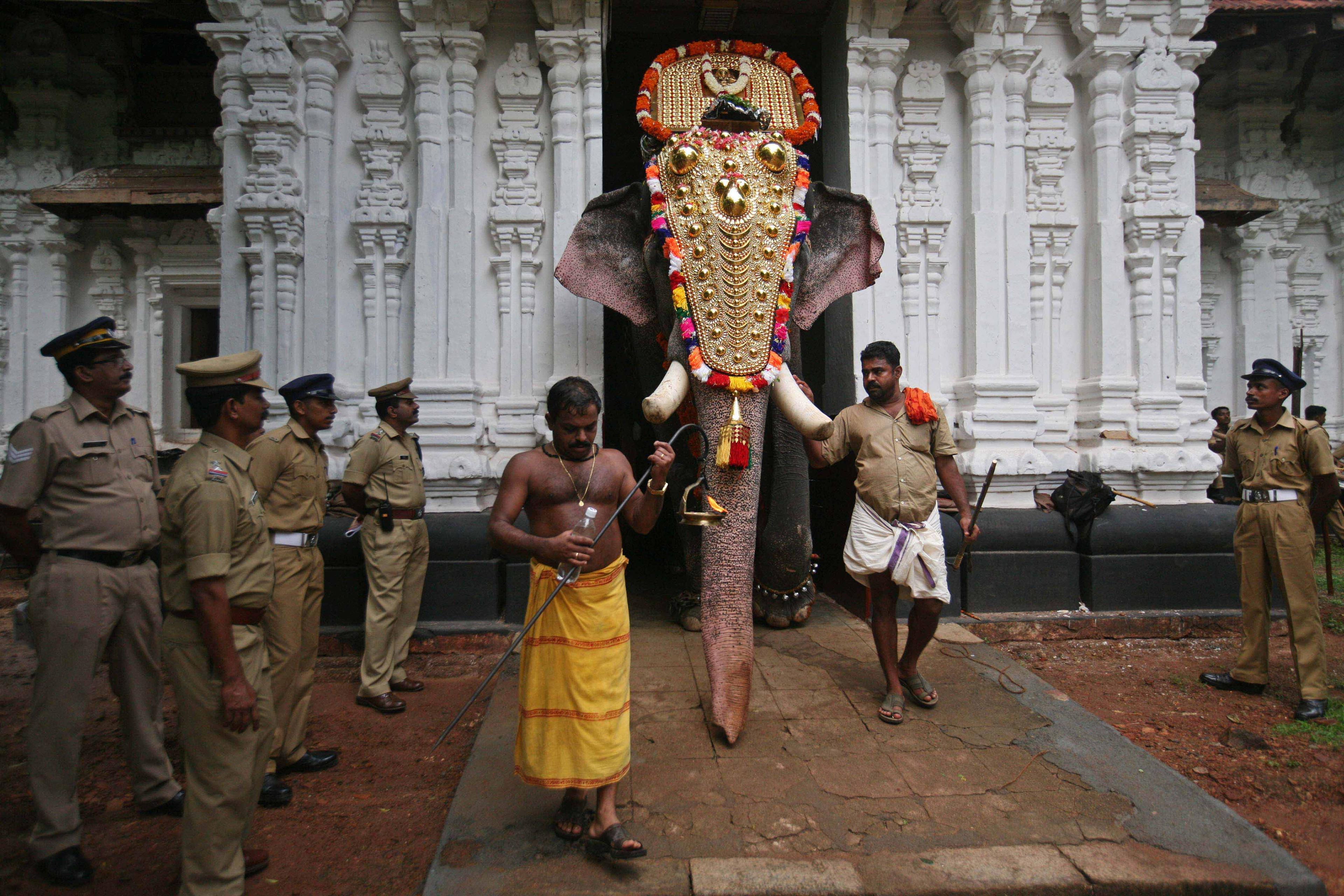
Thechikottukavu Ramachandran — sixty-four years old, affectionately known as Raman — is one of the tallest domesticated elephants in the country, and the undisputed king of Pooram temple festivals in Kerala.
He has an almost occult persona, a cult-like following, and is considered a living deity by many. Thousands gather just to catch a glimpse of his majestic presence, and his appearance alone commands a fortune — in excess of a million rupees — to headline major cultural pageants.
Behind all the pomp and show lies a sombre story. Raman now stands at the crossroads of devotion, legal conflict, and animal rights. He was captured as a calf in Assam in the early 1960s, then transported to Bihar as a young elephant, where he was known as Moti Prasad. In 1982, he was purchased by a Kerala-based elephant contractor at the famous Sonepur Cattle Fair. He has remained in Kerala ever since — now old, blind in one eye, with the other failing.
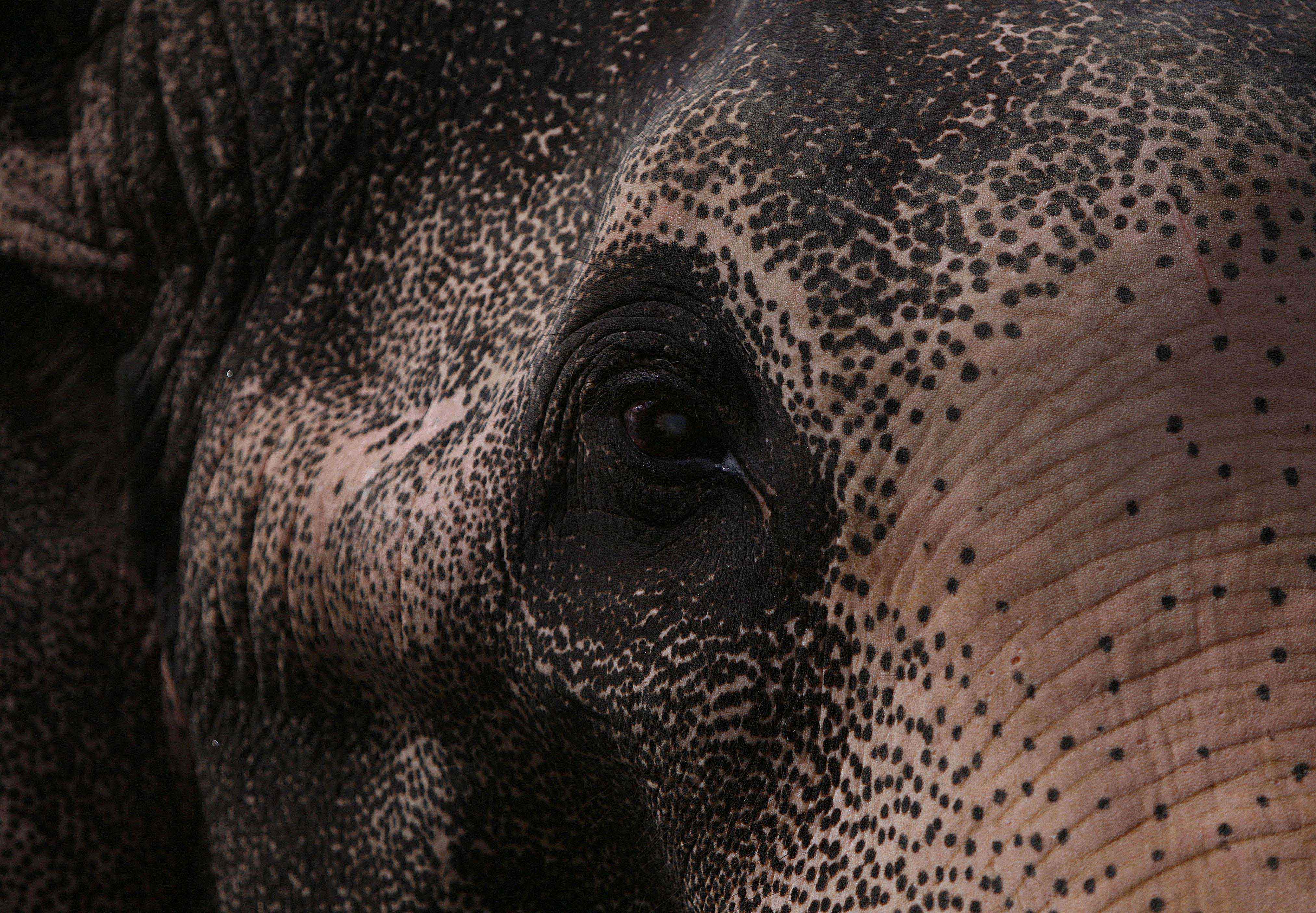
To me captivity is a bad idea, however benignly it's dressed up as "tamed." Captive elephants frequently display neurotic behaviours, repetitive in nature — pacing, head-bobbing, body-swaying — patterns rarely seen in their wild counterparts. Such stereotypical behaviour is a marker of boredom, frustration, and restlessness, and a sign of deep mental trauma.
Yet Raman remains a cash machine, the subject of high-stakes court battles over his custody and ownership. He has become the most potent symbol of the widening rift between ancient cultural tradition and modern animal welfare.
At his age, he should be allowed a quiet life. He isn't. He is still paraded at cultural events full of pomp, light, and sound — conditions that have triggered in him several bouts of panic and unpredictable aggression. Animal rights activists allege this has resulted in the deaths of at least thirteen people and two other elephants over four decades.
This has to end before Raman dies, he deserves sometime of resting and doing things that's natural to him.