The CJP Paradox: Youth Power, Divided by Ideology and Amplified by Social Media"
The CJP doesn't speak for all of Gen Z. There's a growing political and gender divide: women lean progressive while young men increasingly gravitate toward conservatism. Post-pandemic economic strain and a tough job market have pushed many youths toward right-wing populism, rejecting mainstream social norms.
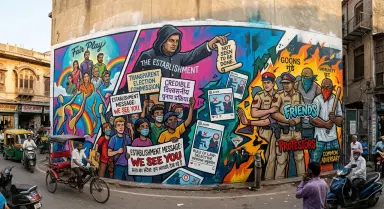
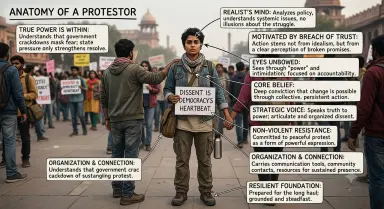
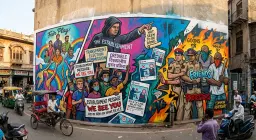
Youth power can force even the mightiest politicians to listen and yield—the Cockroach Janta Party (CJP) movement, born online, transformed into street protests within a month, drawing tens of thousands of young supporters prove the point.
But
it's a mistake to assume youth movements are inherently progressive, or, as the
Left often claims, a straightforward manifestation of class struggle. A
significant segment of young people is drawn to right-wing and conservative
ideologies instead.
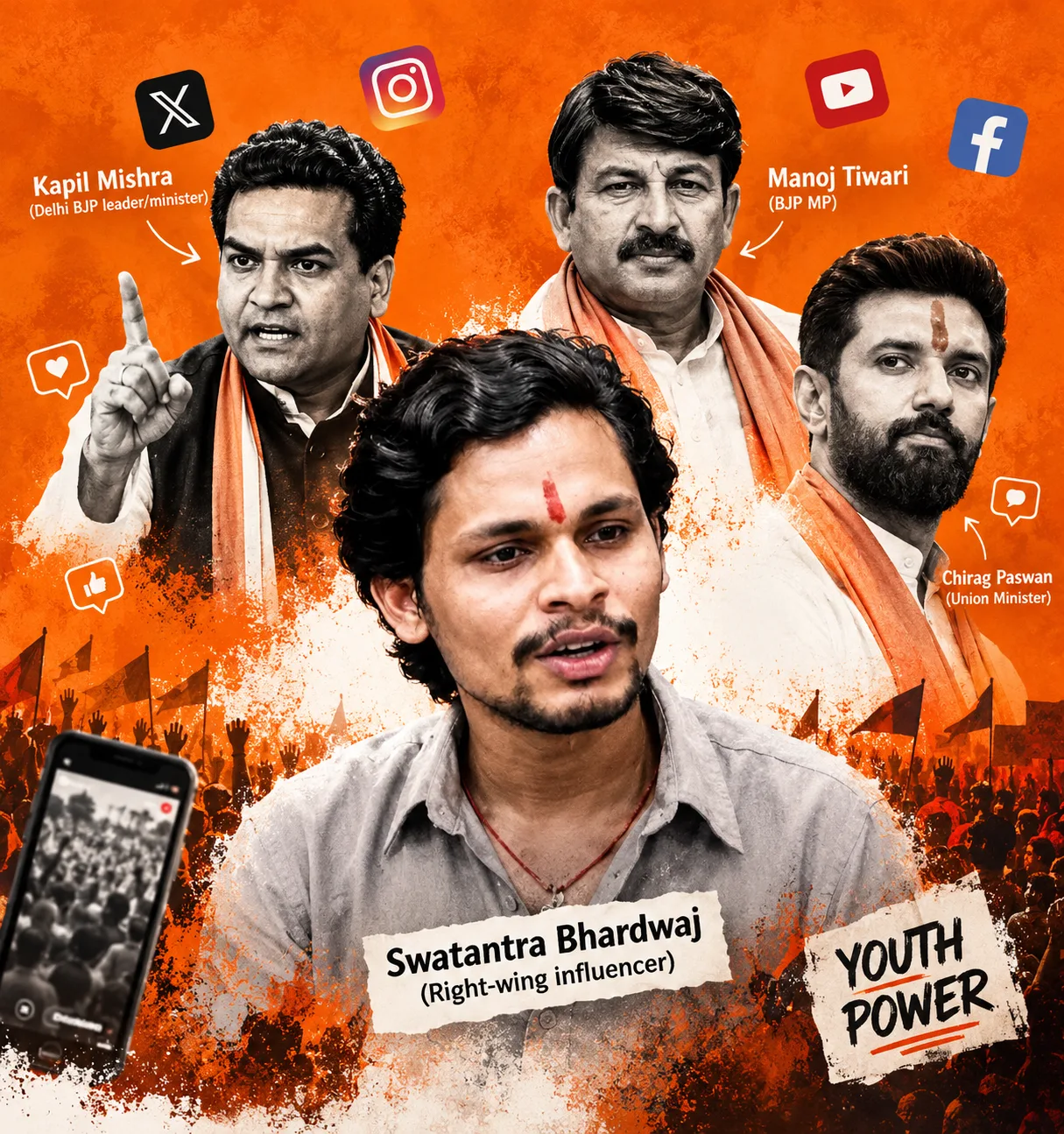
Swatantra
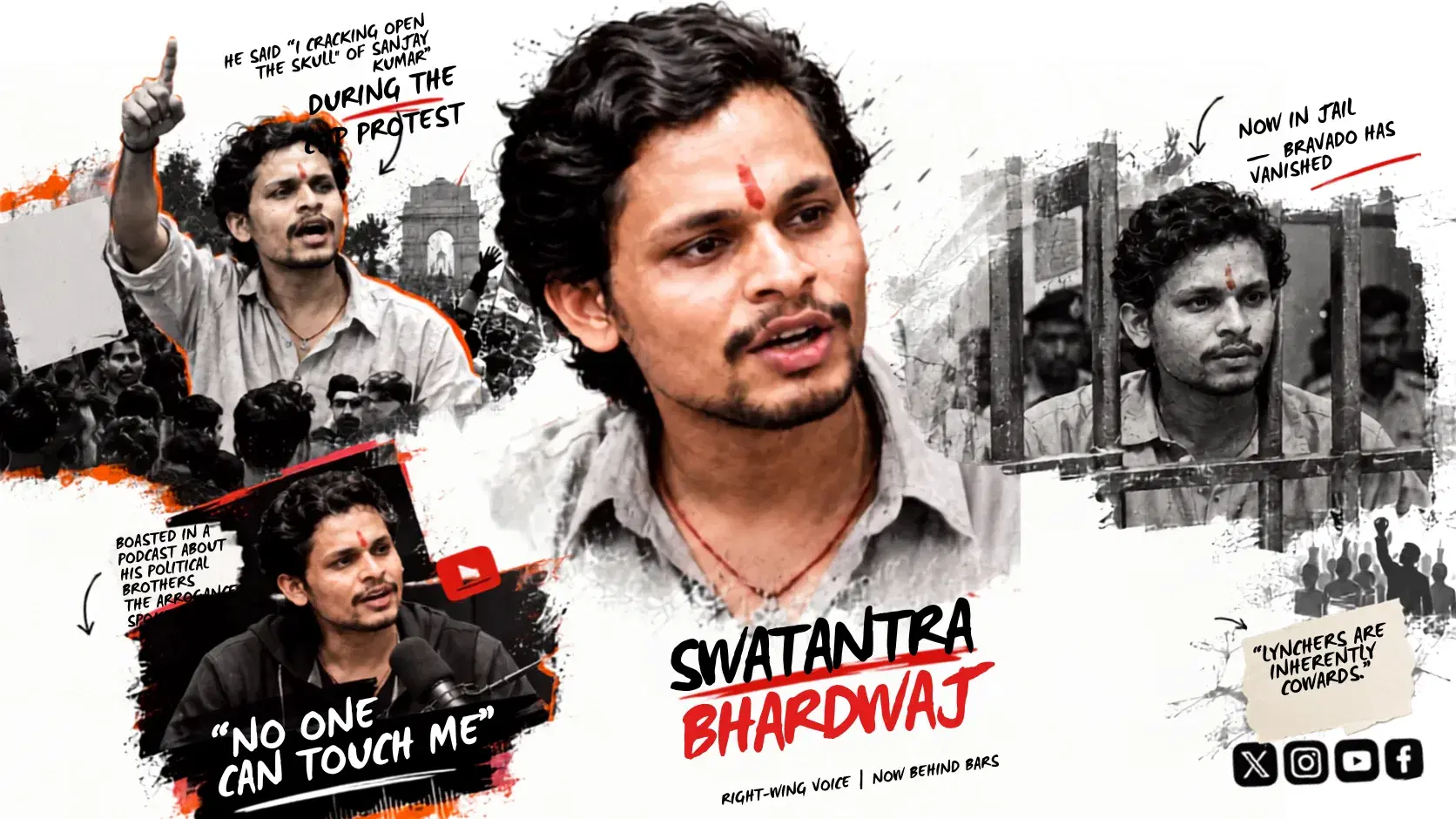
Bhardwaj, 22, is a good and bad example. A right-wing social media influencer
from Patna, he was arrested by Delhi Police only after massive public outrage
over a viral clip in which he boasted about "cracking open the skull"
of Sanjay Kumar, father of a teenage Dalit student activist, Nishu Azad, during
a protest at Jantar Mantar.
He
also claimed, citing connections, calling politicians his elder brothers, like
Kapil Mishra and Chirag Paswan, would never face jail—and that if given
authority for a day, he would use force to crush protests by fellow Gen Z
members.
His
outburst confirmed the worst fears of CJP founding president Abhijeet Dipke,
who has alleged the movement is being deliberately hijacked by
"outsiders" and "goons" tied to political
rivals—infiltrating peaceful gatherings to pelt stones, incite clashes, and
discredit the cause. Delhi Police's sluggish response has done little to
inspire confidence in their neutrality.
Dipke
has publicly accused DCP Sachin Sharma of letting attackers off the hook,
failing to act after a scuffle that injured student activist Nishu's father,
threatening CJP representatives who demanded action.
Swatantra
isn't an isolated case—he's part of a growing trend. Daksh Chaudhary, another
right-wing influencer and member of the Hindu Raksha Dal from Ghaziabad, uses
provocative rhetoric to stoke communal tension and issues open threats, drawing
considerable public support. The government's tolerant posture toward such
figures lends weight to Dipke's allegations.
It's
also worth noting that CJP doesn't speak for all of Gen Z. There's a growing
political and gender divide: women lean progressive while young men
increasingly gravitate toward conservatism. Post-pandemic economic strain and a
tough job market have pushed many youths toward right-wing populism, rejecting
mainstream social norms.
Social
media has created the CJP so has allowed conservative groups exploit digital
platforms to normalize fringe views and mobilize support for provocative or
anti-democratic ideas, pushing them into the mainstream. Sympathetic
politicians encourage and shield these movements, using them to marginalize
opposing voices. Divide and rule remains a reliable, time-tested strategy.
Swatantra
will be in jail for a long time, and his elder brothers are going to distance themselves
from him. His false bravado did a vanishing act, in another video, he clarifies,
his utterances were taken out of context, was being "sarcastic".
And that he acted not to crack the skull but in self-defence after being surrounded
by an aggressive mob.