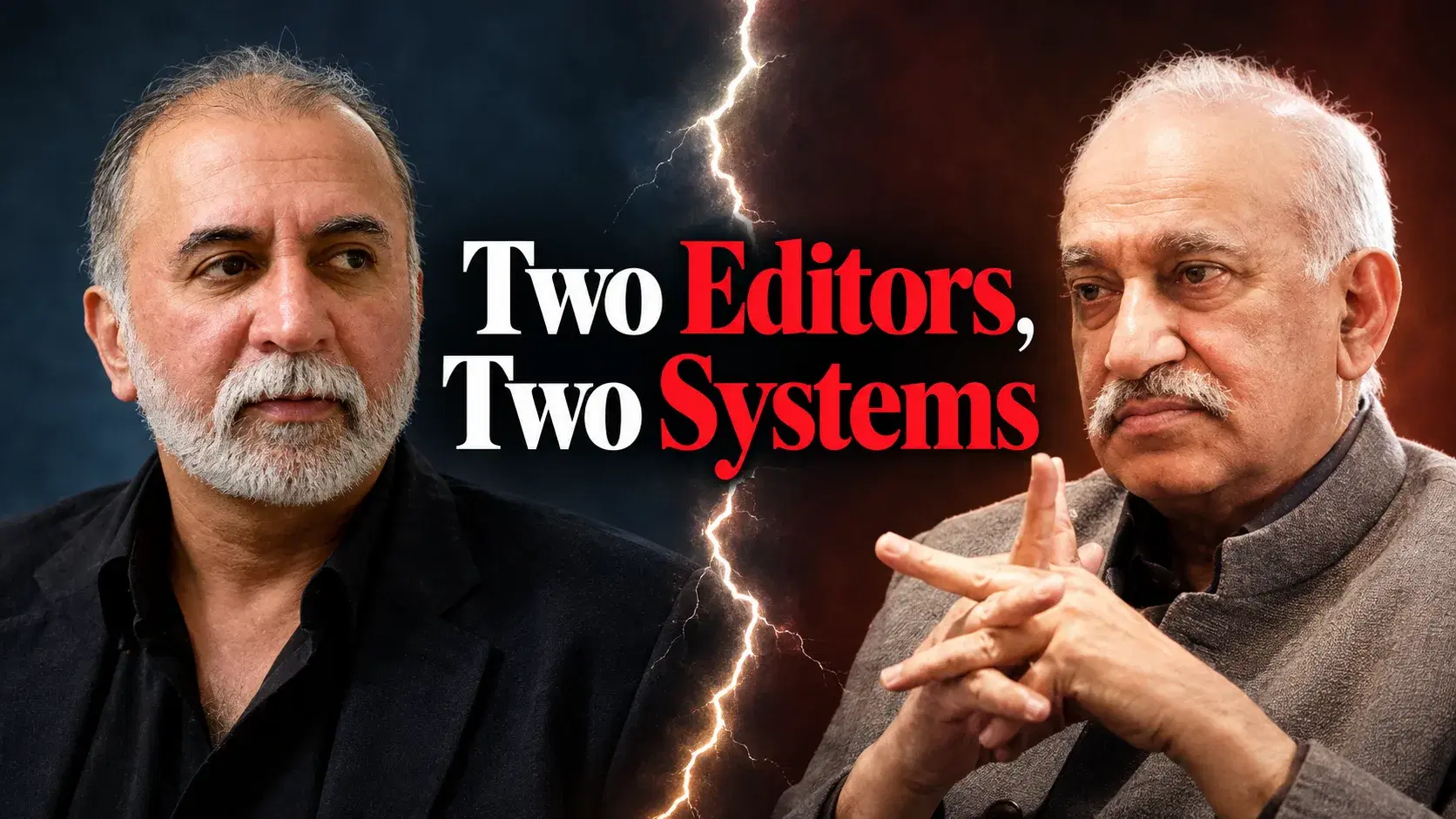
Two Editors, Two Systems
Tarun Tejpal, former editor-in-chief of Tehelka, was accused of sexually assaulting a junior colleague in a hotel elevator in Goa in November 2013. A trial court acquitted him in 2021; this August, the Bombay High Court's Goa Bench overturned that acquittal and sentenced him to ten years' rigorous imprisonment. He has said he will appeal to the Supreme Court.
In the
note he wrote after the allegation surfaced, Tejpal called the act — without
specifying what "it" was — an "error of judgement," and
offered to atone by staying out of office for six months. Read plainly, that
note is close to a confession. Tejpal has since called the case a political
vendetta, engineered by right-wing figures angered by his past reporting.
Let's be
clear first: there is no context that excuses sexual assault. No means no,
regardless of the relationship — lovers, spouses, friends, strangers, sex
workers. Nothing about who the parties are changes that.
But the
vendetta question is worth thinking through, not dismissing outright — and this
isn't sympathy for Tejpal. Consider M.J. Akbar. Another powerful editor, later
a union minister in the BJP government, accused during India's 2018 #MeToo
movement by more than twenty women — mostly former colleagues from The Asian
Age and The Telegraph — of harassment and predatory conduct going
back decades.
Priya
Ramani was the first to name him publicly, alleging harassment during a 1993
job interview in a hotel room. Pallavi Gogoi and others alleged far worse,
including rape. Akbar denied everything, calling the accusations fabricated and
insisting some relationships had been consensual.
The
pattern alone sets the cases apart: Akbar faced a chorus of women, Tejpal a
single accuser.
The
outcomes diverged sharply too. Akbar resigned as minister on October 17, 2018,
under mounting public and political pressure — despite never facing a criminal
case. In February 2021, a Delhi court dismissed his defamation suit against
Ramani, ruling that a woman's right to raise sexual abuse, even decades later,
cannot be trumped by a man's social standing.
His
attempt at intimidation failed. Notably, none of the twenty-plus women who
spoke out against him filed criminal complaints — the incidents were decades
old, and many said the practical and emotional cost of pursuing that litigation
was too high. The police didn't take
Tejpal's
case took a different route from the start. There was no complainant— the Goa
Police took suo motu cognisance in November 2013, filing an FIR based on media
reports alone. That's a meaningfully different starting point. Was that unusual
state initiative shaped by Tejpal's journalism?
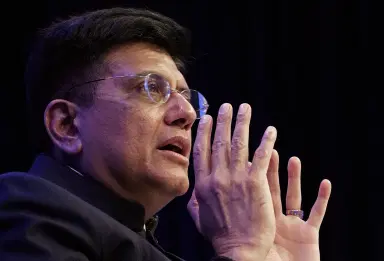
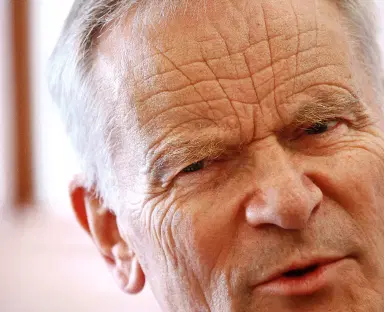
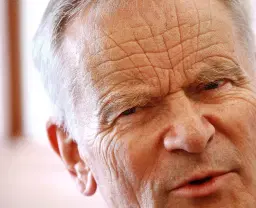
Tarun Tejpal and M J Akbar: Two of India's most prominent editors, were my bosses at different point in time, both accused of preying on junior colleagues — and yet almost nothing the police action, or the outcomes looks the same.