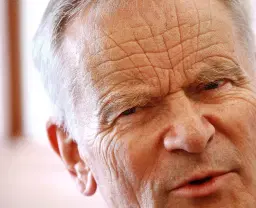
Narendra Modi Is the Most Photographed Enigma
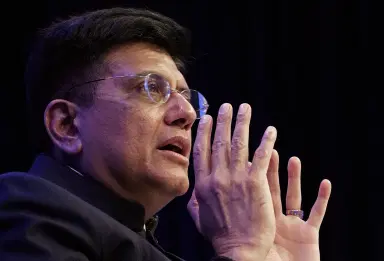
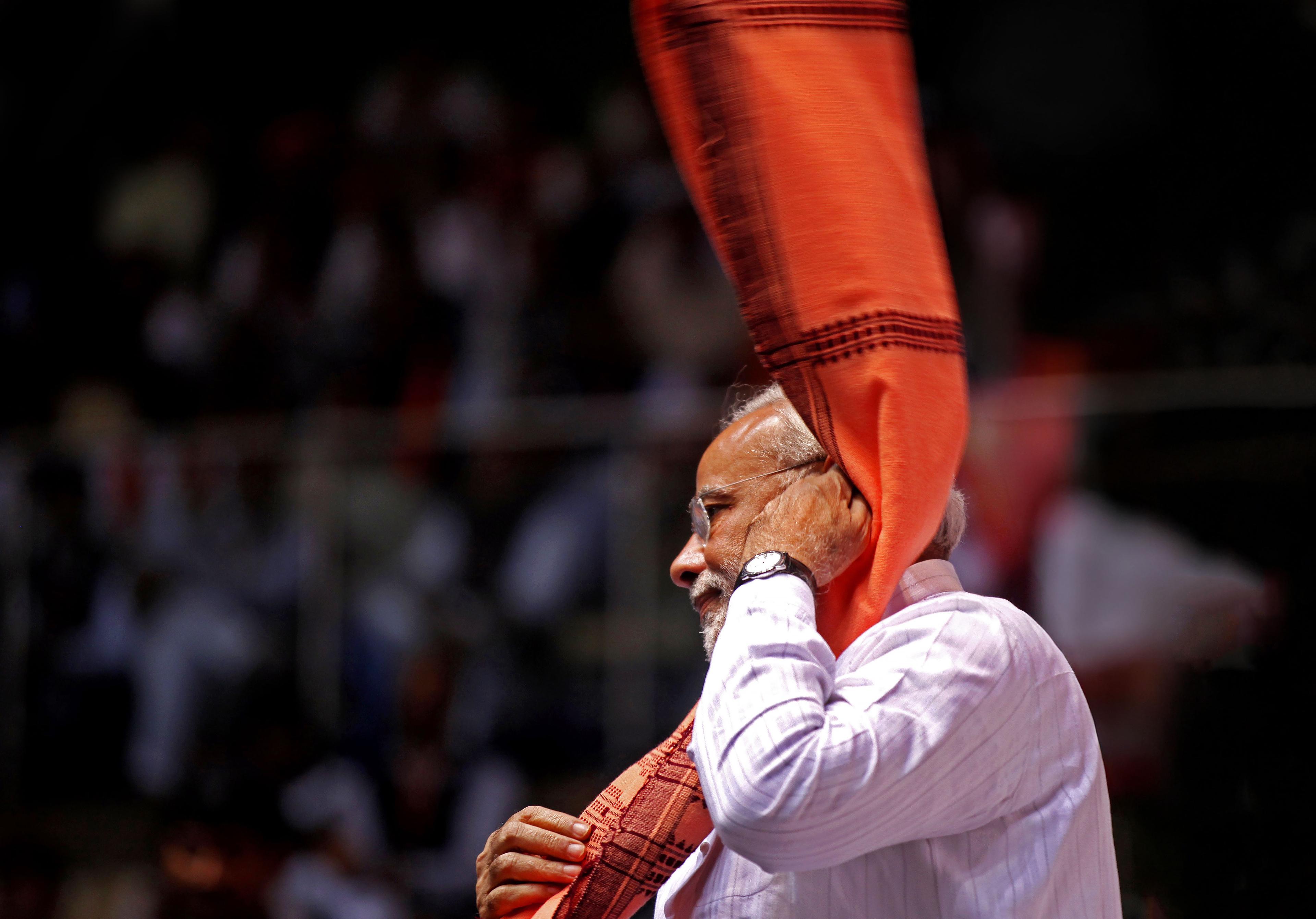
Narendra Modi is the one of the most photographed politicians in the world, with more social media followers than most nations have citizens — and he remains, somehow, an enigma. His populist pragmatism, wrapped in a larger-than-life persona, refuses to sit neatly in any Western or traditional political box. The more he's seen, the less he's known. As Smriti Irani put it in one interview: no one is actually close to him.
People see wildly different men in him —
from passionate hatred to something closer to worship. Citizens are practically
obliged to light a diya on his birthday, and the world is duly informed. To
some he's a firebrand regional leader; to others, a Hindu nationalist
priest-figure; to still others, a technocratic moderniser or a humble servant
of the public. Take your pick.
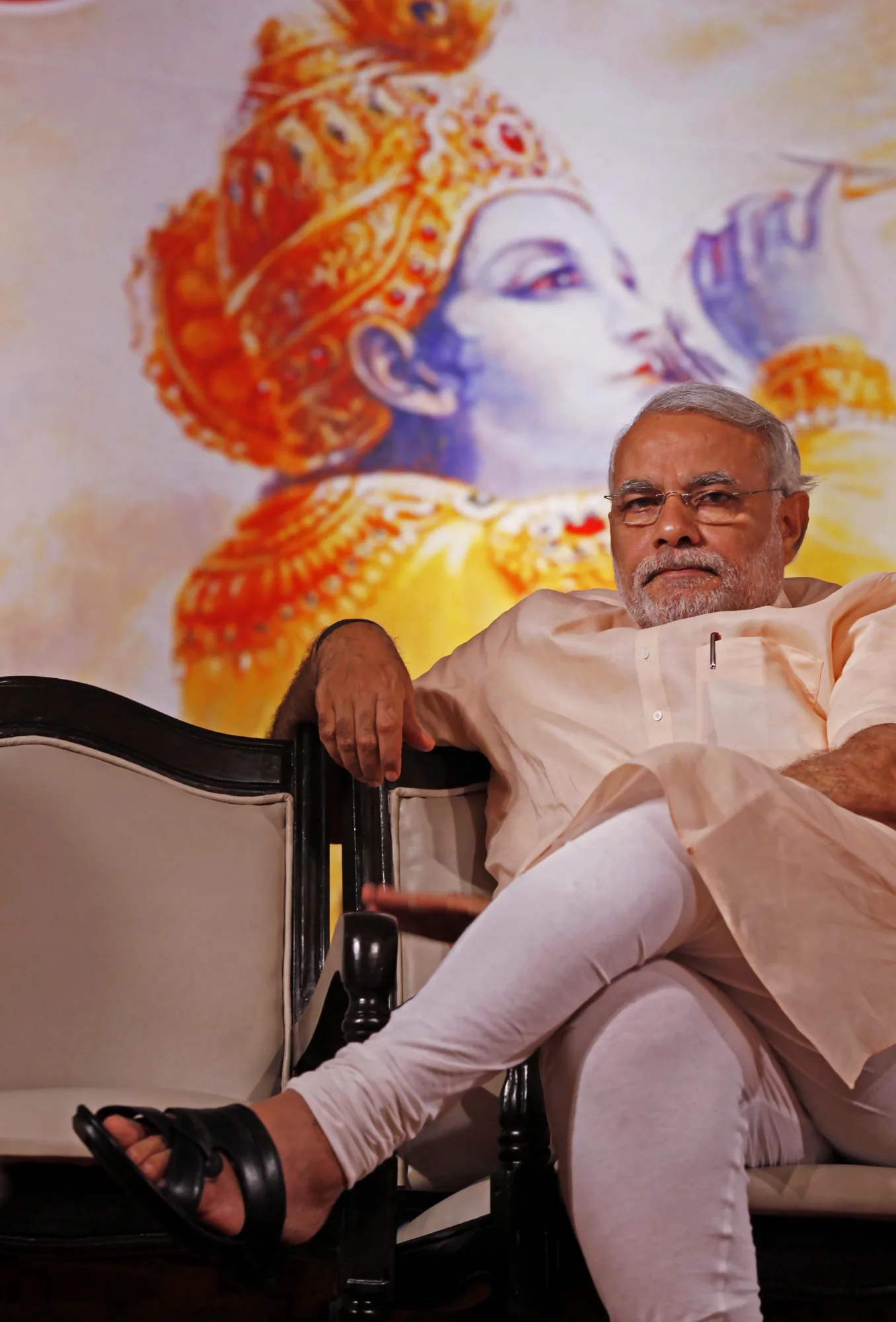
The enigma keeps everyone guessing — nowhere
more than inside his own party. Nobody saw Nitin Nabin coming for the BJP
presidency, and the chief ministerial picks in Rajasthan and Madhya Pradesh
raised just as many eyebrows. Yogi Adityanath's elevation in as chief minister
of UP stunned many. Only Assam's chief minister felt like a foregone conclusion.
Every party worker nurses a private hope that fate might tap them next; they
perform diligence for an invisible eye that is always watching. Nobody, however
senior, gets to take their place in this party for granted.
It isn't just personnel where he loves a
plot twist. Demonetisation blindsided the banking system itself. The abrogation
of Article 370 landed the same way. Sweeping reforms arrive less like policy
and more like plot devices.
One constant amid the enigma: his closest
friends all happen to be Gujarati — Amit Shah, Gautam Adani, Mukesh Ambani.
Pure coincidence, surely, and nothing to see here.
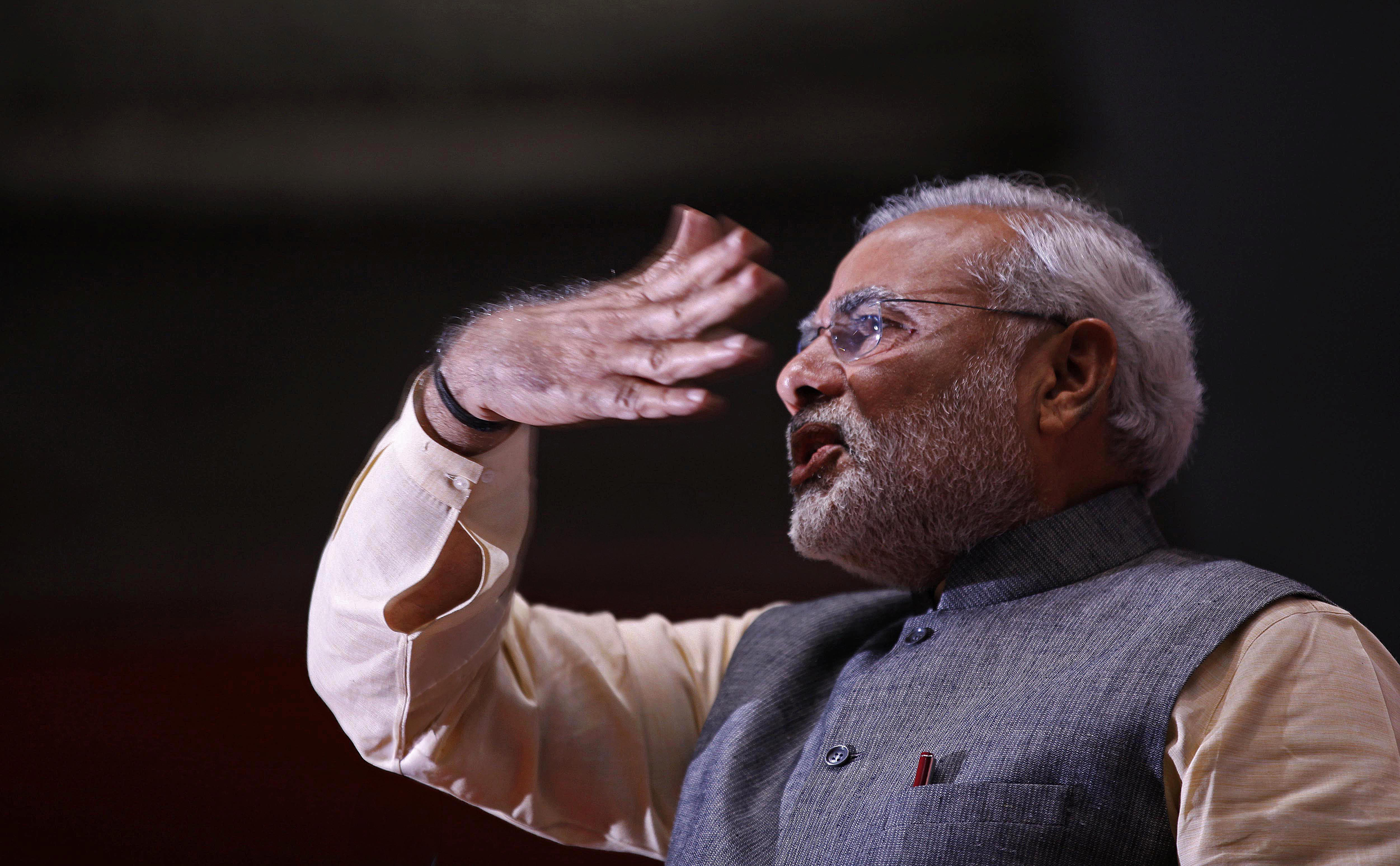
His social media machine is vast and
disciplined, and it reliably converts a carefully built image into votes —
parliamentary, state, even municipal. Modi's name alone moves the needle for
the BJP. Mortality, though, is famously indifferent to approval ratings, even
as he remains, at seventy-six, in visibly good form.
His gift for the unexpected hasn't deserted
him. Just when the opposition figured he was on the back foot with Donald Trump
— friendly with Israel, invoking "fatherland" for Indian-origin Jews
there — he turned up at the 18th BRICS Summit cosying up to Iran's president,
Masoud Pezeshkian, while also finding a moment to wish Benjamin Netanyahu a
happy Jewish New Year, quite publicly. Diplomatic acrobatics as a core
competency.
No sooner had BRICS ended on a high than a
fresh political storm broke: the government's new 0.4% Merchant Discount Rate
(MDR) on transactions above ₹2,000,
effective October 15. The opposition has branded it the "Modi Tax,"
accusing the government of reneging on UPI's promise as a free public good and
quietly siphoning money from the aam aadmi's pocket. Some go further, alleging
the zero-MDR policy was scrapped specifically to hand American card networks
like Visa and Mastercard a foothold against UPI.
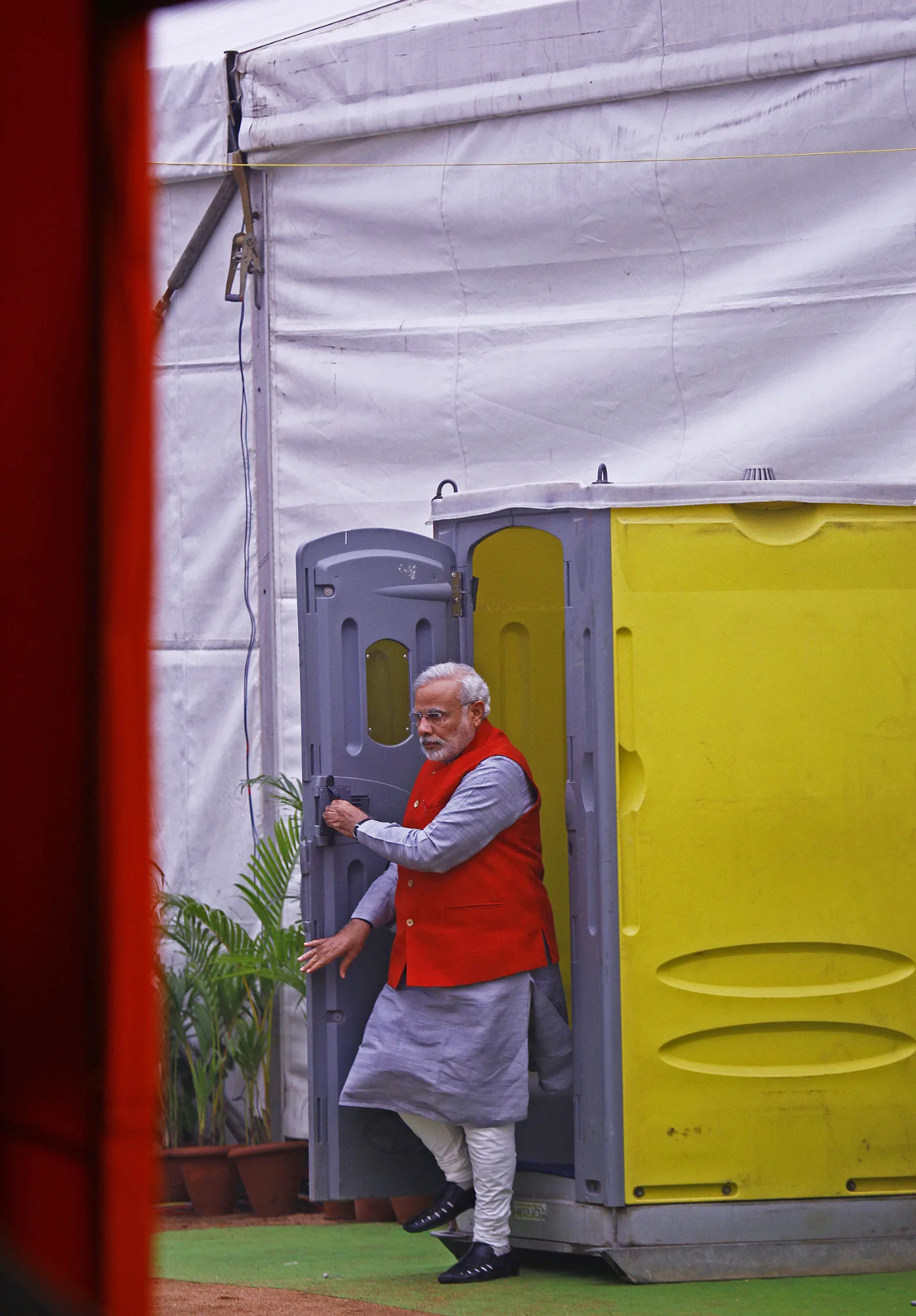
The paradoxes keep piling up, and global
commentators keep failing to file him neatly away. He champions aggressive
cultural nationalism in one breath and global climate action in the next,
mixing high-tech financial inclusion with old-school majoritarian politics. The
Guardian calls him deeply polarising, a strain on pluralist traditions; his
supporters call him a resolute defender of national pride and economic
transformation. Whatever the verdict, his top-down style keeps absorbing
political shocks that would sink lesser leaders — and somehow the electoral
momentum never quite stops.
Seventy-six years old. Twenty-five years of
running governments. Still, gearing up for a long innings. He is made
impossible possible.