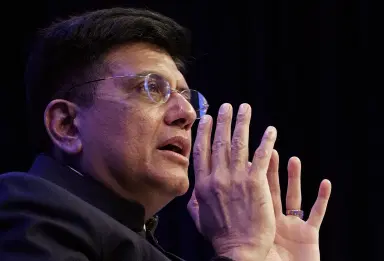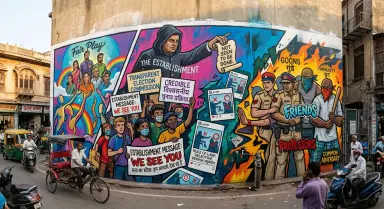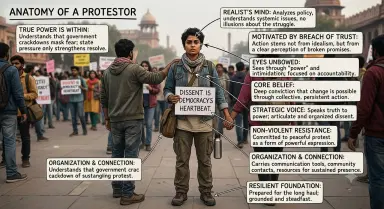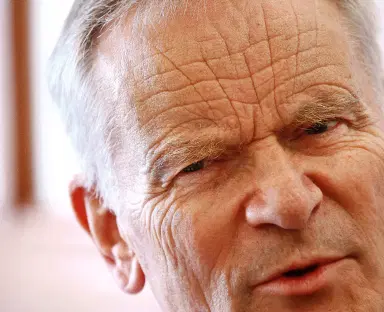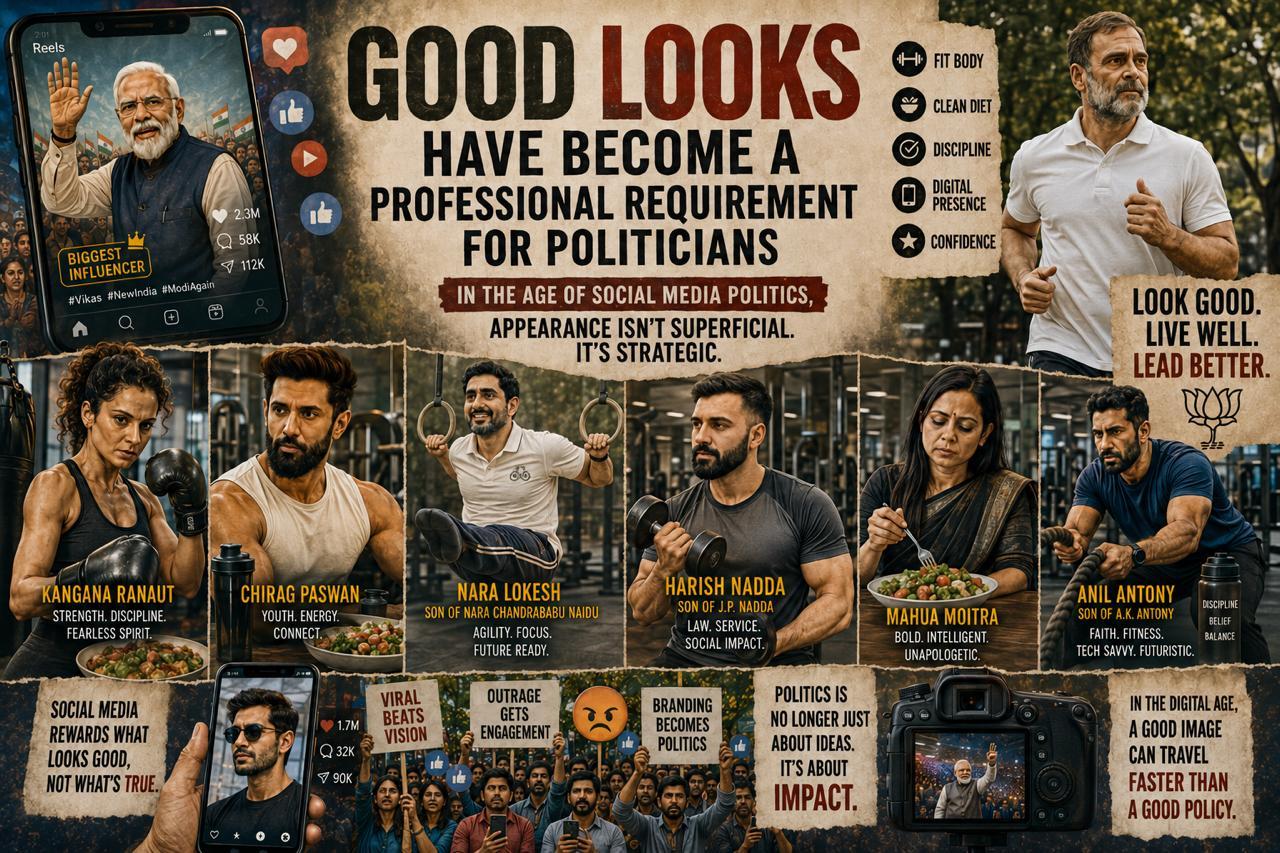
LOOKS HAS BECOME A PROFESSIONAL REQUIREMENT FOR POLITICIANS LIKE ACTORS
In the day and
age of social media, looks matter in politics as it’s becoming a digital
performance — one where garnering visibility and chasing viral moments through
curated aesthetics more often than not outweighs policy debate.
We are all ageist in
our own quintessential ways, even those of us who claim to oppose it.
With the advent of
the digital age, the pressure to look young has become even more acute. In this
series, we focus particularly on politicians. A host of studies point to
politics becoming a digital performance — one where garnering visibility and
chasing viral moments through curated aesthetics more often than not outweighs
policy debate.
Gen Z prefers
Instagram's short-video format as an effective way to interact, including for
disseminating protest narratives. Politicians are following the trend. Leading
the way is Prime Minister Narendra Modi, who has embraced this format to engage
with the youth. He encourages party members, ministers, and parliamentarians to
leverage social media platforms to showcase government initiatives. Someone
dubbed him the "biggest influencer." He looks much younger than his
age.
Most social
platforms prioritize imagery and quick-video formats over dense policy text.
The trend is short videos, catchy slogans, and visual stunts — no one apart
from academics is interested in detailed policy papers. Virality demands
attention, and attention, in turn, demands outrage, conflict, and emotional
storytelling. Politicians are struggling to keep pace with this "instant
reaction culture" — the pressure to respond promptly enough to feed the
algorithm and go viral. A considered response after a time lag is no good.
Silence is deafeningly loud in this scenario; even the prime minister has been
at the receiving end of it.
So in this age of
social media politics, looks matter. Whatever you call it — appearance,
aesthetics, visual packaging — it shapes voter perception. Bad days ahead,
then, for print journalists like me. If the prime minister can make the
necessary adjustments, so should people like me — embrace the change.
The power of
"first impressions" cannot be overstated. A user decides to stop or
swipe away in a fraction of a second, which makes sharp visual branding
crucial. Ample studies show that grooming, confident posture, and expressive
presentation subconsciously project traits like trustworthiness and leadership
— which, to a skeptic like me, could just as easily be misleading. But it has
to be in the right balance: overly curated, fanciful posts make voters wary of
a superficial display that masks a lack of competence.
Research confirms
the obvious: politicians active on social media perform better in elections,
more attractive candidates enjoy a vote premium, and attractive politicians
tend to be more successful on social media. Notable exceptions include Donald
Trump — who was a good-looking man in his younger days — and Boris Johnson, the
former UK prime minister.
India's
"Gen-Next" politicians, like their counterparts elsewhere, are
prioritizing high-intensity gym routines, sports, and clean living — sometimes
at the cost of traditional political narrative. Physical fitness is the new
political mantra: a structured, health-conscious lifestyle to manage their
visible and demanding public lives.
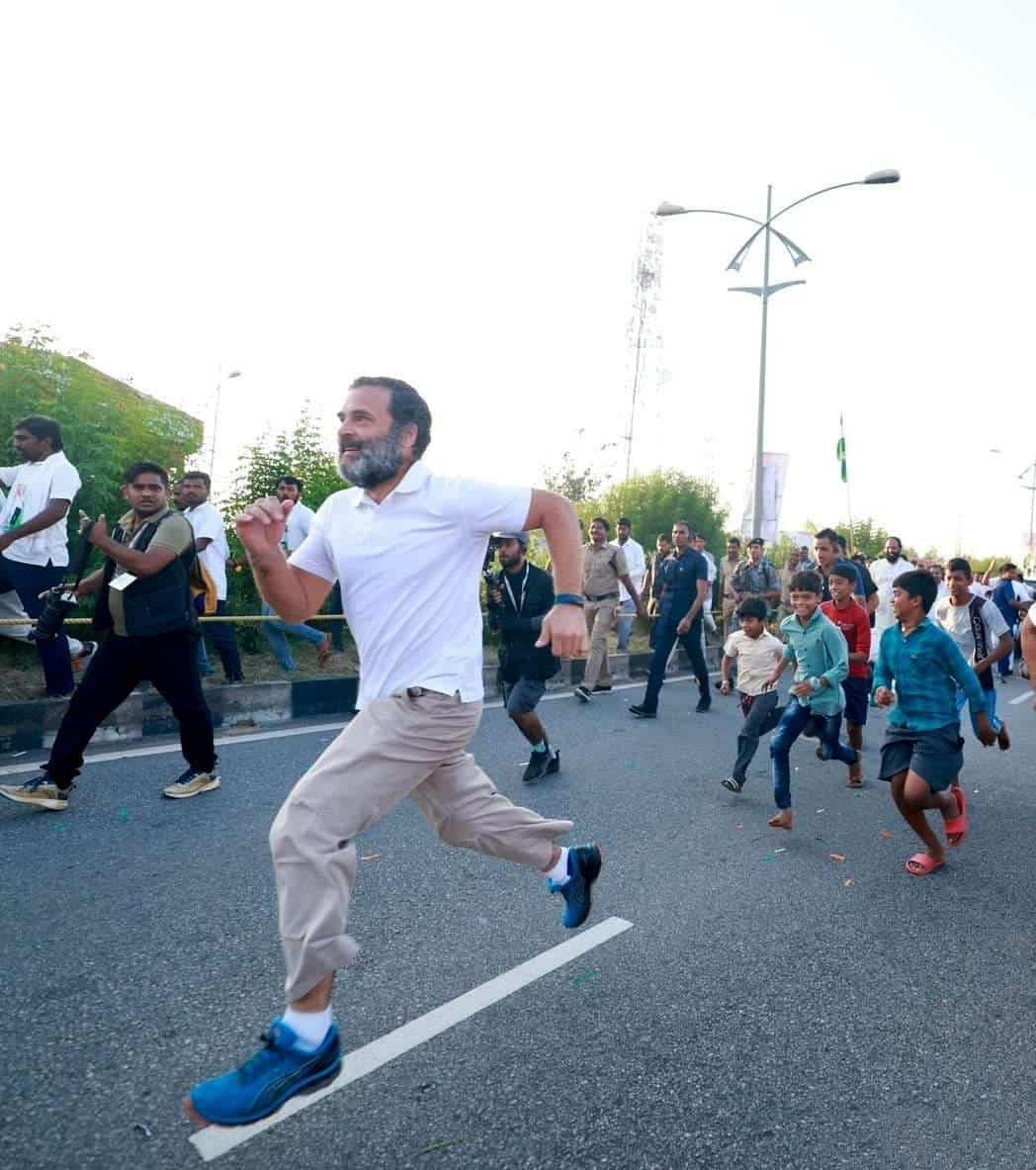
A few names are
worth mentioning: Rahul Gandhi; Chirag Paswan; Kartikeya Singh Chouhan, son of
Shivraj Singh Chouhan; Harish Nadda, the lawyer and social worker, son of J.P.
Nadda; Kangana Ranaut, Mahua Moitra, Anil Antony, the tech-savvy leader and son of
veteran politician A.K. Antony, Lokesh son of Chandrababu Naidu. Some of them
would make lead actors run for their money.
We will run this as
a series on politicians who have garnered considerable support through — among
other things — their looks. They work hard to curate that appeal. Like actors,
politicians too now find that good looks have become a professional requirement.