

RISHABH SINGH SAMBYAL: AN ARMY OFFICER WHO BECAME AN ONLINE ICON WITHOUT UTTERING A WORD
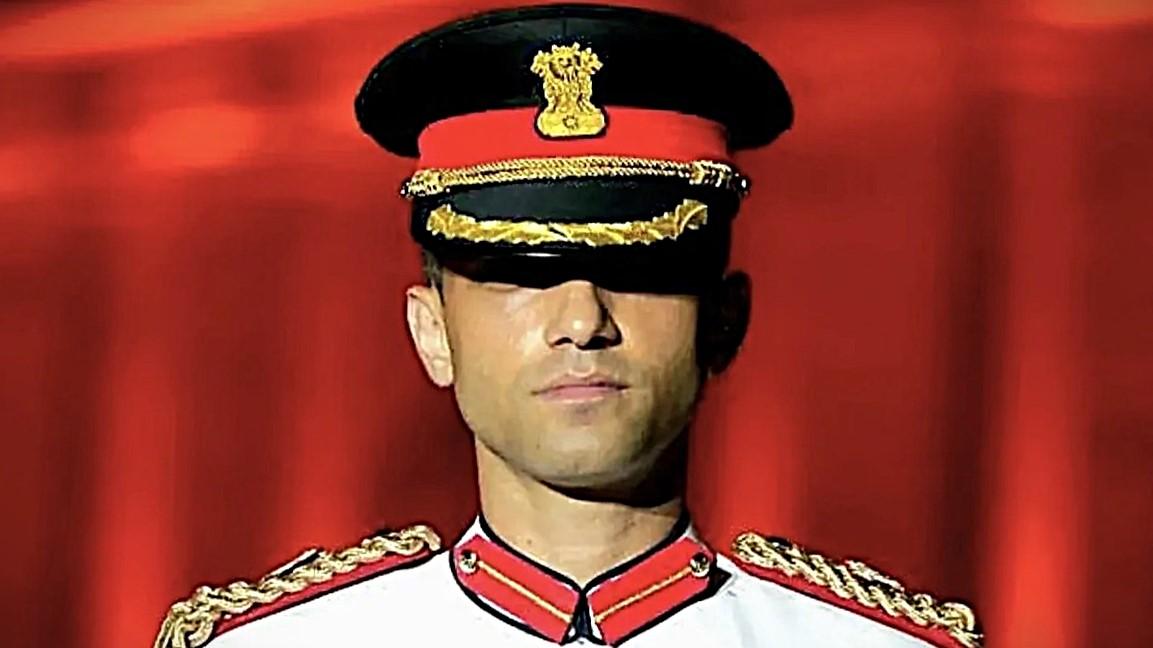
Rishabh Singh Sambyal, an Indian Army officer from Samba, Jammu & Kashmir, has become an internet sensation and youth icon. He spent three years as Aide-de-Camp (ADC) to the President of India before hanging up his boots after twelve years of service.
He first caught public attention at the 2021
Republic Day Parade, when, as a Captain, he led the Jat Regiment contingent to
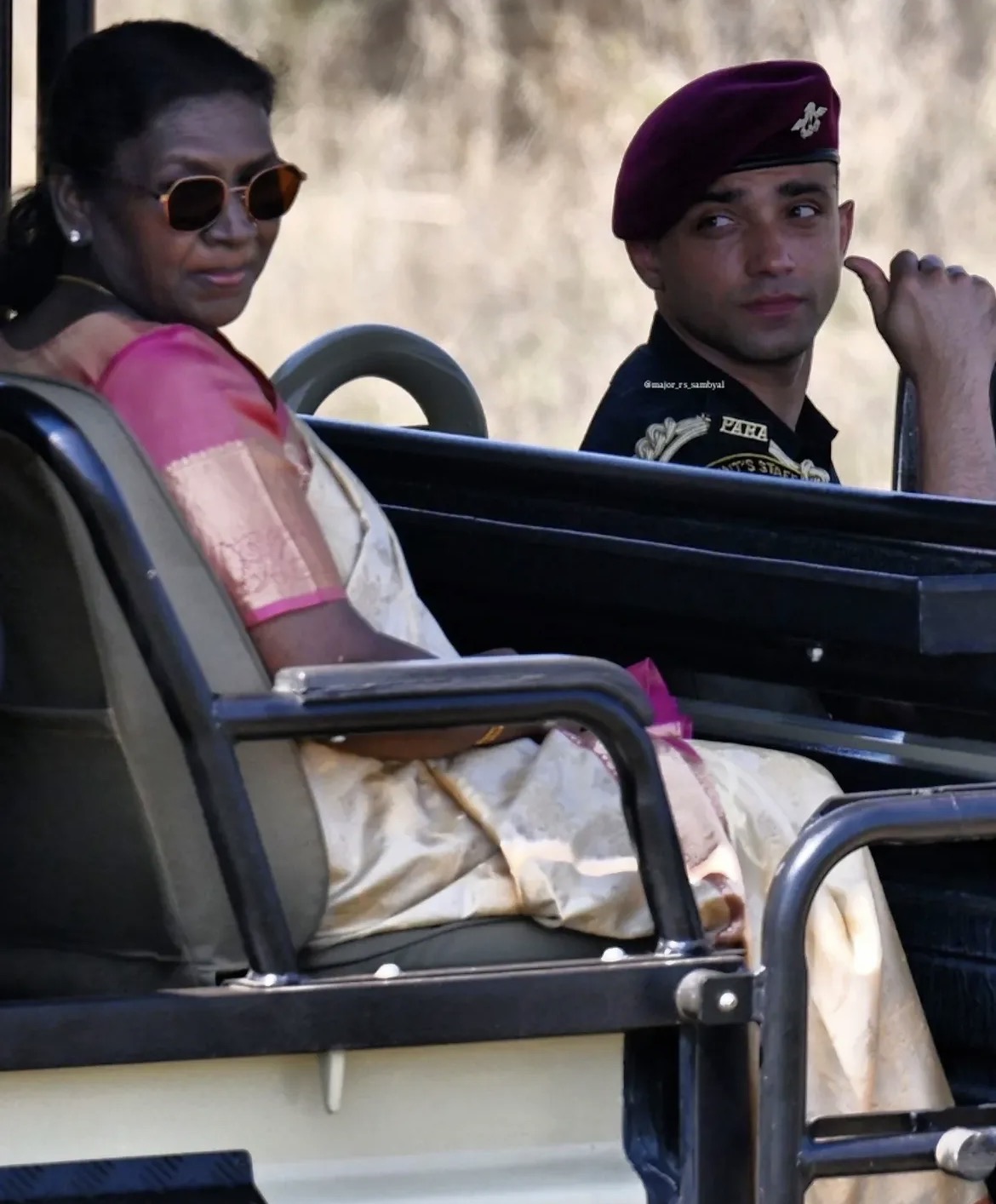
the Best Marching Contingent Trophy. But it was his photographs standing beside
the President that went viral—people wanted to know more about the man in the
pictures.
Physical attractiveness triggers the
"halo effect," a psychological bias where good looks get linked to
positive traits like intelligence, kindness, and trustworthiness. Rishabh seems
to be a textbook case. He rose to fame without saying a word—just by standing
next to the President—which underscores a larger point: social media algorithms
aren't neutral. They're built on human psychology.

Soon after retiring, he sat down with India's
top podcaster, Raj Shamani.
Now bearded, the podcast shed some of the mystery around him, letting people connect with the man behind the uniform. The ADC role is demanding, and many have performed
it well without any fanfare. But with Rishabh Sambyal, people fixated on his looks —can understand his loneliness, the marriage he put off, the ordinary life he
sacrificed for a high-visibility, high-pressure job.
Social media is a strange kind of powerful—it can make you a household name overnight, and there's little logic to it beyond the fact that it tends to happen to good-looking men.
In this "Hook
Era," governed by the "3-second rule," the human brain processes
images roughly 60,000 times faster than text. Bad news for a print journalist
like me.
Sambyal isn't the first to experience this.
Jeremy Meeks became globally known as the "hot felon" after his 2014
mugshot, taken by the Stockton Police Department, went viral—sparking a debate
between those charmed by his looks and those who felt a criminal shouldn't be
romanticized. Or take Arshad Khan, the Pakistani "chaiwala," an
18-year-old tea vendor in Islamabad whose striking blue eyes, captured candidly
by a photographer in 2016, captivated the internet.
In each case, a single visual triggers a
cascade of shares; the algorithm spots its viral potential and amplifies it
exponentially.
Looks may be deceiving, but in the virtual
world of social media, that hardly matters—and that virtual world quietly
shapes real attitudes and real psychology. All the best to Rishabh. I know
reality isn't nearly as exciting.