


Make in India, Gain in America
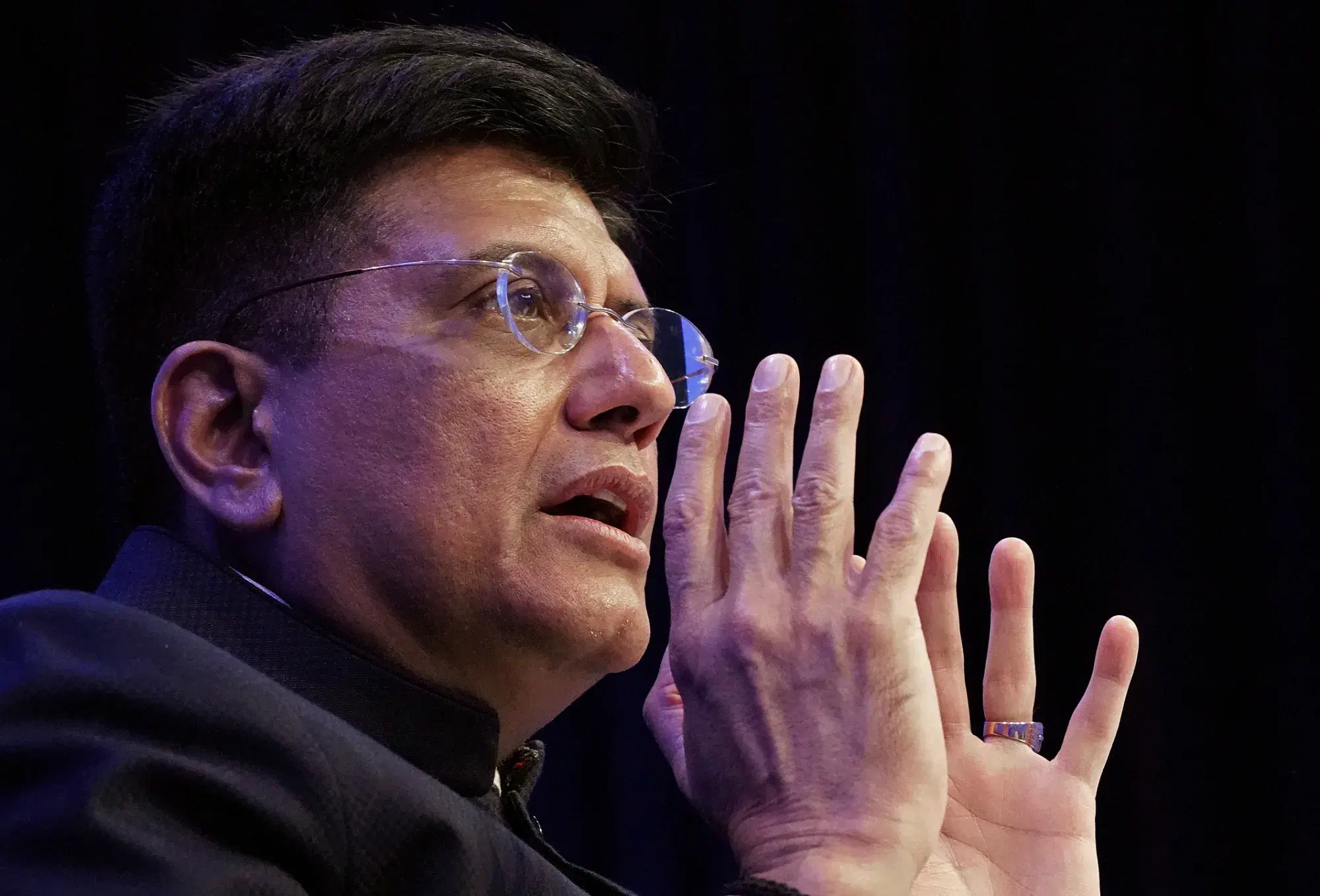
Piyush Goyal has lasted a long time in the Modi cabinet, and that is no small feat. Survival in Delhi is a talent, and his is a rare strain: loyalty in a corporate blazer, delivered with a PowerPoint.
At a Mumbai speech earlier this year, he described
Narendra Modi as a father who never scolds, listens carefully and guides his
team like a patient parent. Then, in case anyone thought that was understated,
he added “the most popular, transformational and trusted leader of the world.”
Critics called it servile. Goyal didn’t flinch. This is a government that
distributes adjectives like prasad, and he is its head pujari. Even Smriti
Irani, theatrics and all, can’t compete. No wonder the adjectives come flying
back at him.
His generosity extends abroad. US Ambassador Sergio
Gor was a “dear friend” who “injected tremendous energy” into the India-US
partnership. We have all seen what that energy has done for the relationship.
Perhaps some friendships should come with a warning label.
Don’t mistake him for a mere cheerleader, though. The
Modi-Shah duo keeps him close because he performs and he debates. His real
specialty is data-driven flattery: praise laundered through GDP milestones,
global rankings and “structural reforms,” all thanks to the PM’s “visionary
leadership.” Any criticism becomes an assault on “India’s growth story,” and a
press conference becomes a patriotism test. He sounds like a McKinsey deck or
an investment banker’s pitch, minus the one thing an analyst at least pretends
to have: objectivity. The flattery is blind, the footnotes optional, and it has
carried him this far. It will carry him further.
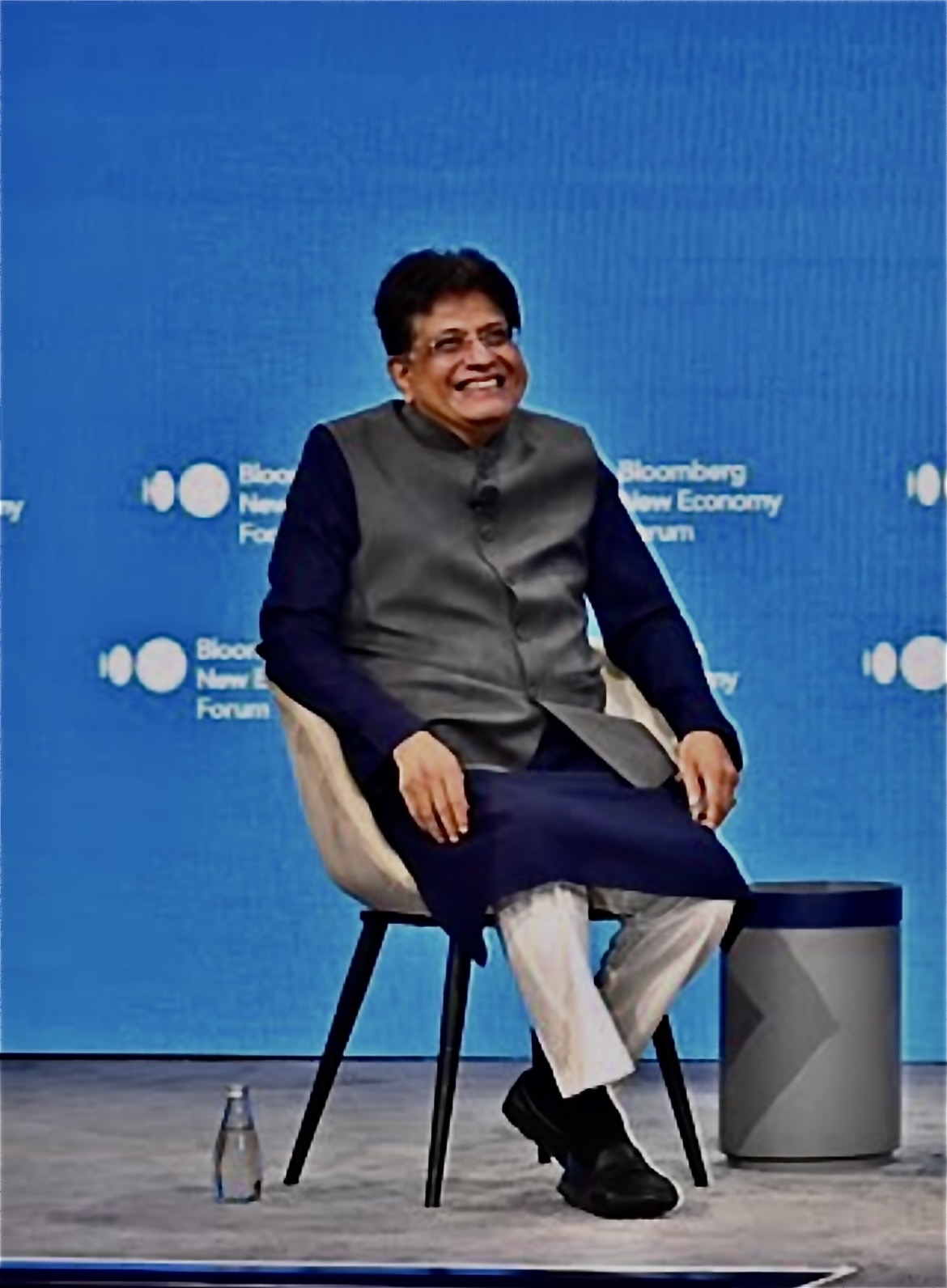
Intellect is not the brand. In 2019 he told a press
conference: “Don’t get into those maths. Those maths have never helped Einstein
discover gravity.” It was Newton. A slip of the tongue, fine, though a commerce
minister dismissing maths does have a certain poetry. Then came the damage
control, an Einstein quote about how people who never make mistakes never try
anything new. Good advice. He should try something new: authenticity. This is
one of many examples, my favourite. He’s an entertainer, too.
Because beneath the polish, the plot thickens. His son
Dhruv, like daughter Radhika, is a Harvard product, and Dhruv co-founded
FourLion Capital, an India-focused equities fund launched in July 2024. How
nicely things line up for the son of the commerce minister of the world’s
fastest-growing big economy, the man who shapes FDI policy, trade treaties and
ease-of-doing-business rules. Conflict of interest? Never a consideration. It’s
all in the family, and the PM is “like a father” anyway.
The irony deepens. The minister who told us H-1B
worries were a thing of the past has a son who moved smoothly from US corporate
life to his own fund. Funny how the policy priorities and the ordinary
citizen’s priorities keep drifting apart. Why might that be?
He is also the chief evangelist of “Make in India,”
the gospel that India has gone from manufacturing for itself to manufacturing
for the world. Semiconductors, he promises, will make India a global
electronics hub, a $150 billion market by 2032. The hub is still under
construction, but the dream sells beautifully.
And then the punchline. The era of “brain drain,” he assures us, is over. It is now “brain gain.” Meanwhile, his own son’s career has a strong American accent, in the company of another minister’s Dhruv (External Affairs Minister S. Jaishankar’s son is Dhruva runs Observer Research Foundation America in Washington, D.C., a public policy think tank, manages, no marks for guessing it right, US–India policy initiatives. And has testified before the US House Foreign Affairs Subcommittee. Conflict of interest? Never a consideration.).
Brain gain, it
seems, is best enjoyed at a distance.