
IN THE 'SECRET GARDEN' THEY BECAME VISIBLE TO OTHERS LIKE THEMSELVES
Central Park. A slightly neglected green island in the centre of
Connaught Place. The area had yet not been put to rampant commercial use
in the 1960s and '70s. The bustling underground market, Palika Bazar, hadn’t
been constructed yet. Paradoxically, in the popular shopping area, one could
walk into this island after sunset and become almost invisible.
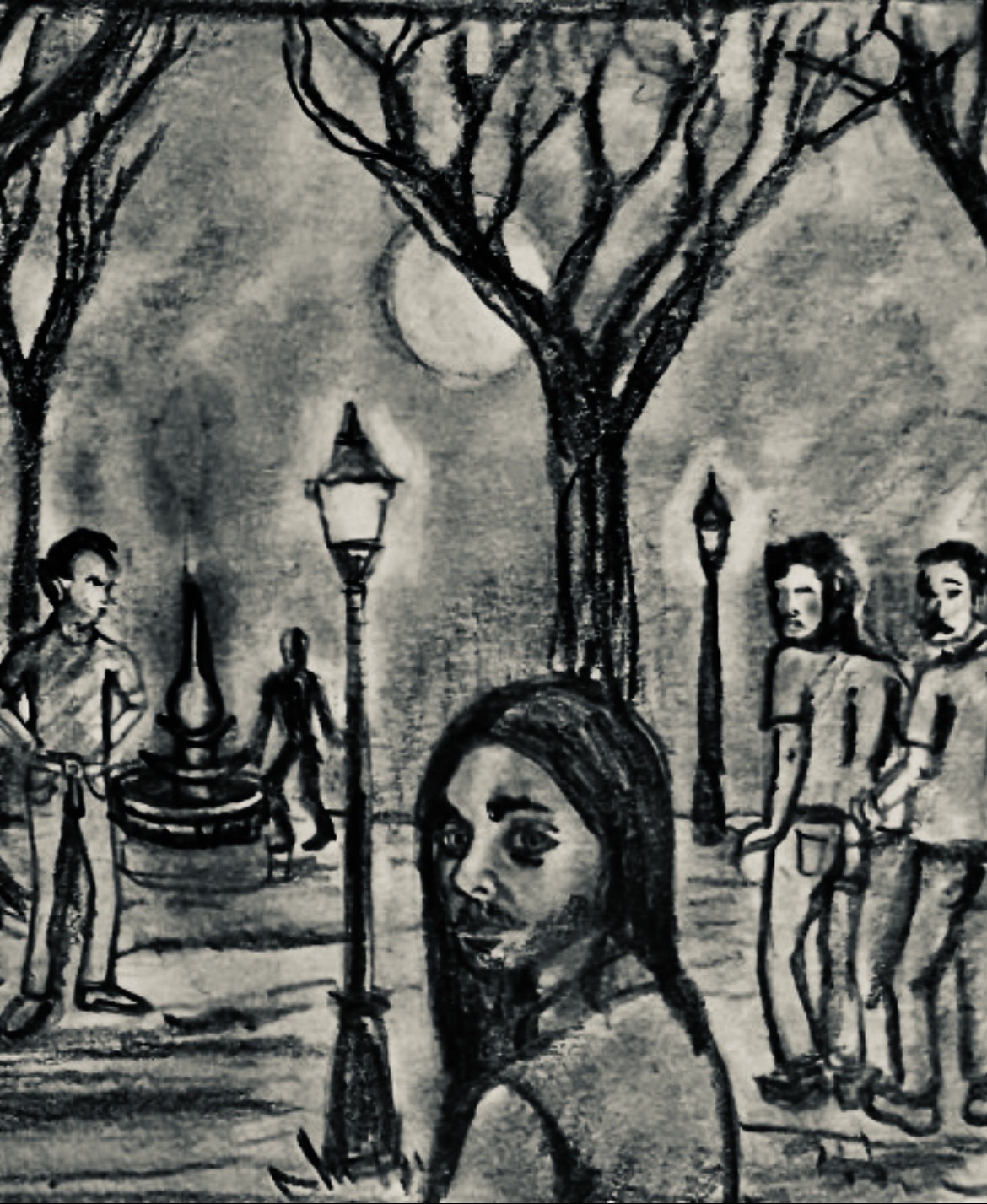
The homosexual men of Delhi—they had no one name, for the word ‘gay’ was
not in common use then—these men, all of them, without exception, hiding their
true nature, came to this wooded park to become invisible, and thus visible to
others like themselves. Or to become visible to those who had only contempt for
their kind but came looking for them anyway. All bodies, after all, can be used
for pleasure.
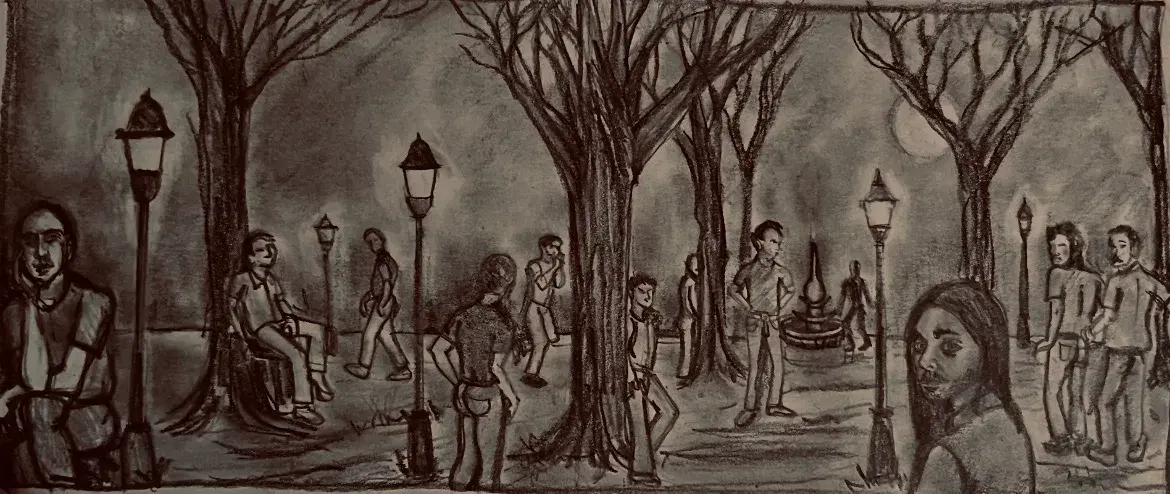
In the green-shaded night, men, including ageing worthies who had been
young boys when the new capital announced by India’s King-Emperor was being
built, sat on the toadstool made of concrete.
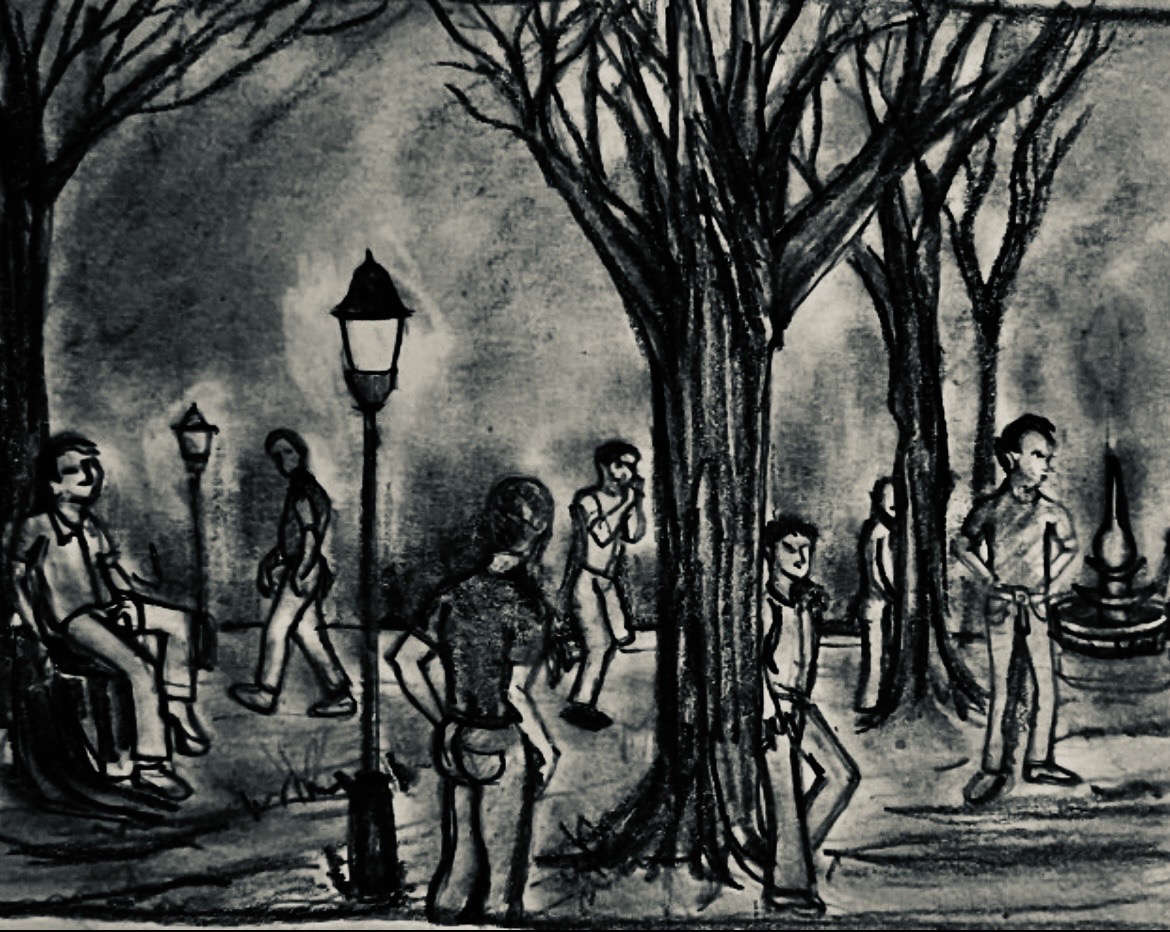
Their hair and brows dyed black or brown, or orange with henna, they
looked with unconcealed desire at the stream of shadowy men that began to flow
in this secret garden, wandering, stopping every once in a while, going round
in slow circles, as if they had lost their way.
Willowy men in coloured kurtas flowing over jeans or lungis; or muscular
men in more plain kurtas or white shirts; even some policemen in khaki…but of
course, little of what they wore was visible in the darkness. They were
shadows, seeking, wanting, hunting. Some coughed in practiced staccato; others
asked what the time was and some would then raise a radium-lit watch to peer
into it and whisper something. And then the little green or blue disc of radium
would light the way for the shadow to move behind a bush.
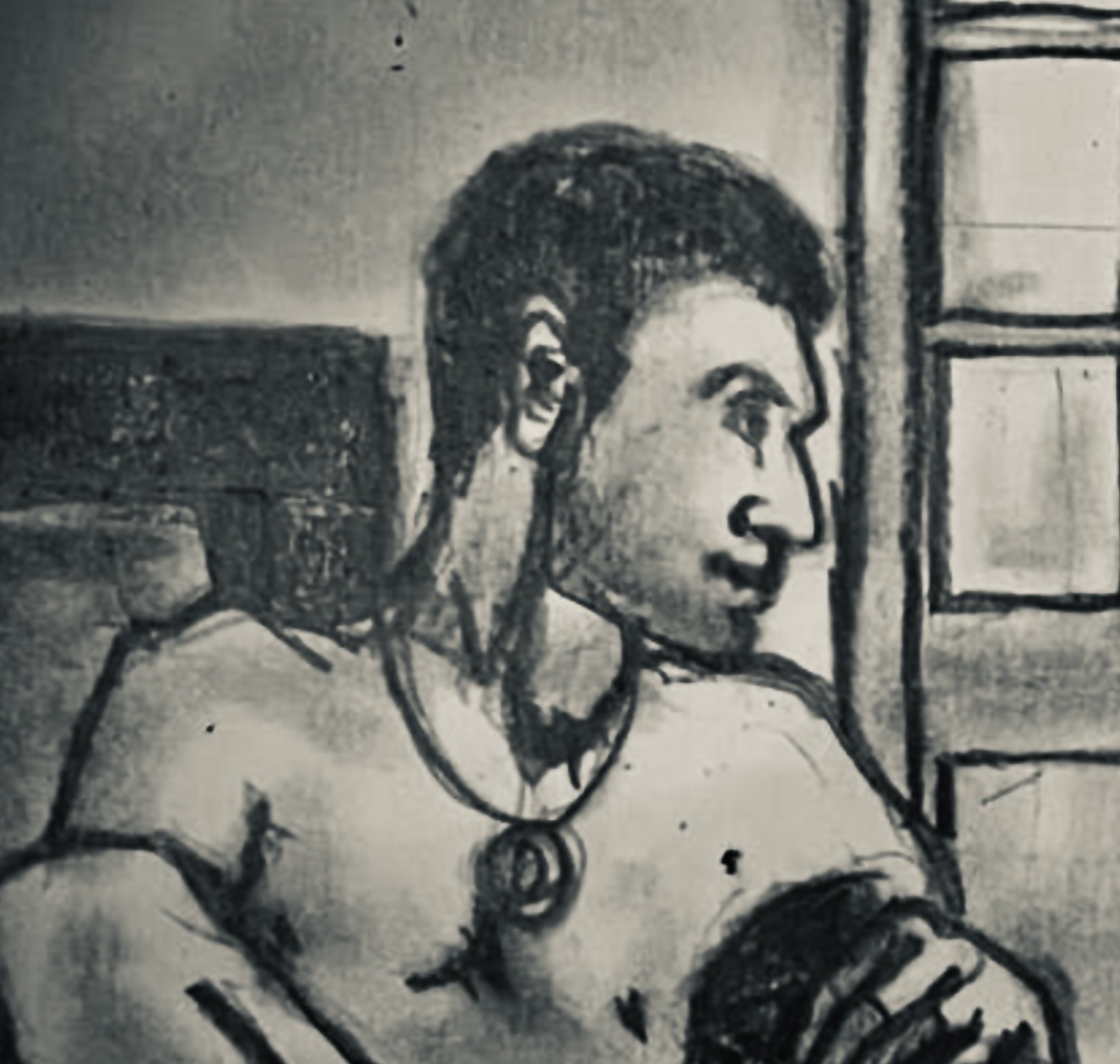
There was a clear division in those days. The men in printed kurtas over
jeans and bell-bottoms were termed ‘maid’, ‘rani’, ‘kothi’, ‘randi’ by the
heavily built athletic men who said that they were in search of woman but, for
a price, would release their load wherever desired.
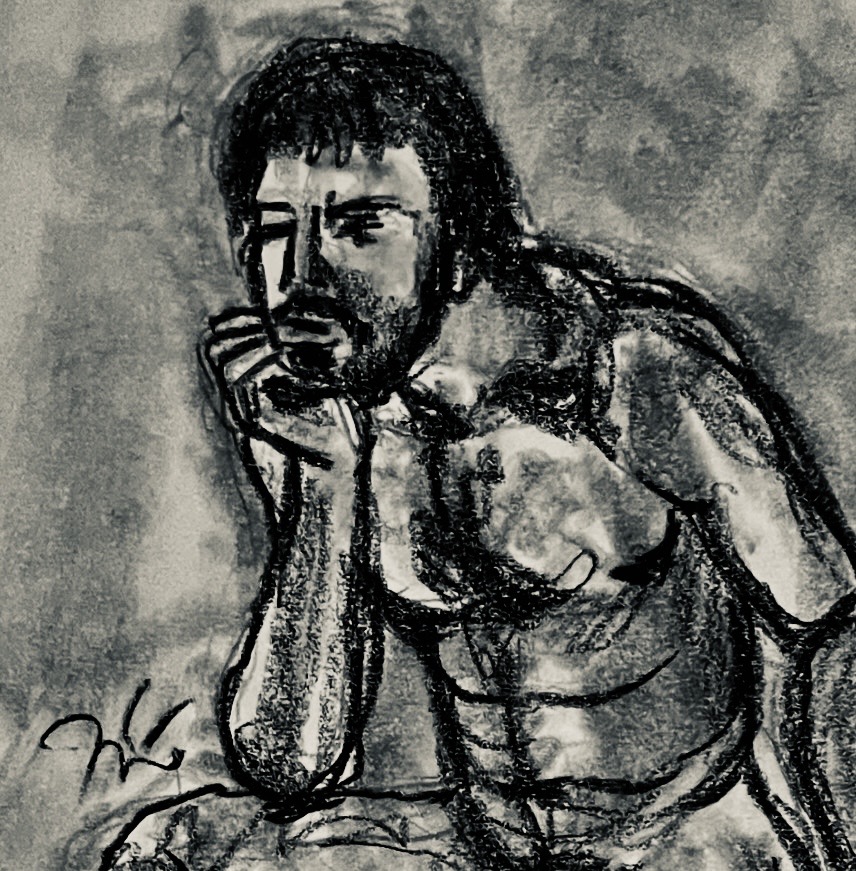
And so these self-consciously male men, many of them policemen in civil clothes, unzipped themselves in the middle of the traffic island and permitted the maids to go down on them, only to push them away roughly afterwards and empty their pockets of wallets or crumbled notes. If coins were all that the fallen men had, they were slapped and spat upon. The maid who protested, or panted for more, were roughly kicked aside; some were arrested, others taken to the nearby police station to be buggered all night by a platoon.