



LOVE KNOWS NO LEASH
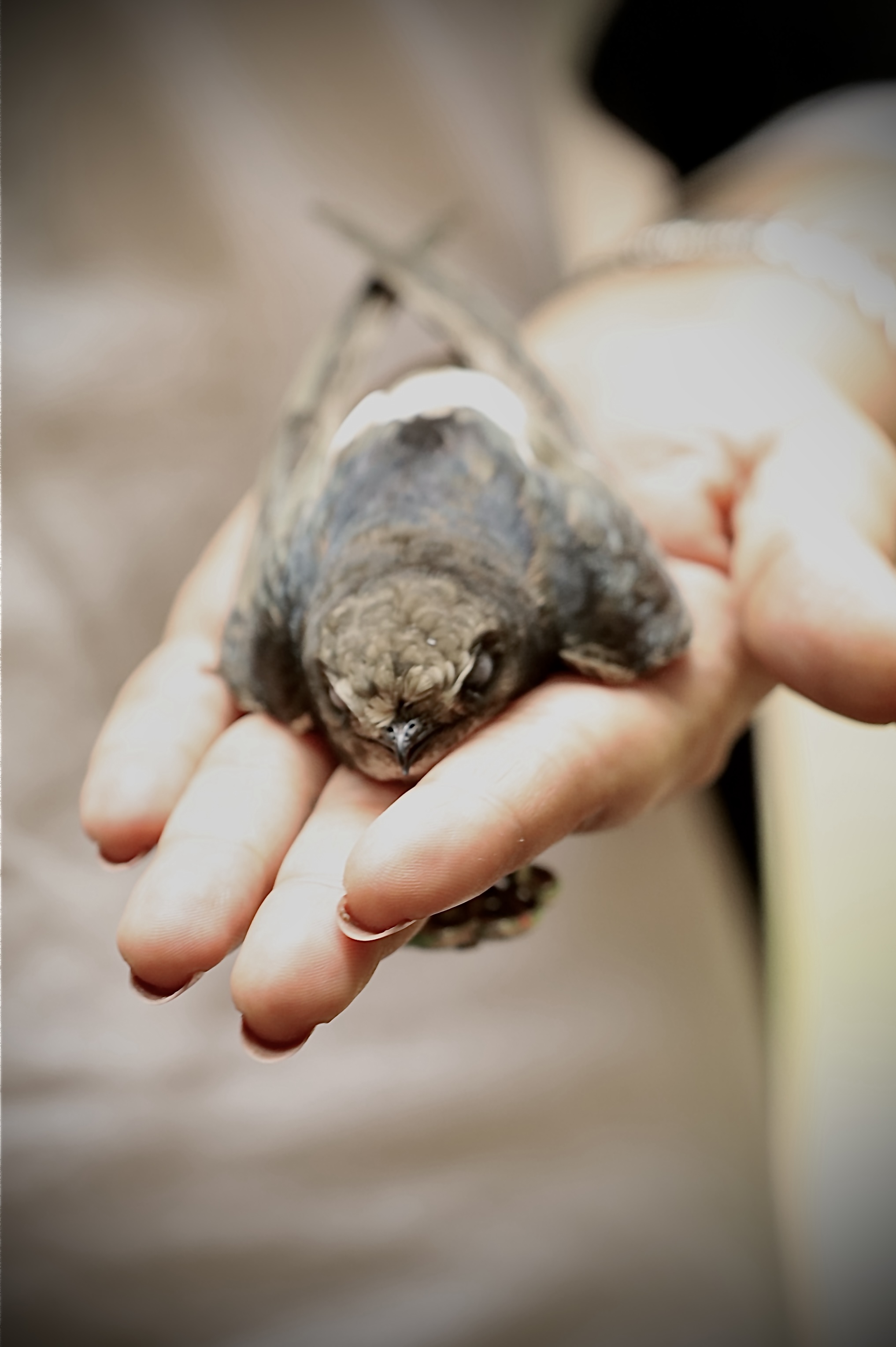
My love for animals is intuitive. It was always there — I could communicate with them without uttering a word, though I only recognised this at the age of five, when I rescued pigeon chicks from stray cats and dogs in a congested part of Delhi where I live.
Since then, I have kept cats, dogs, birds, and white rats
as pets. Though I find the very notion of "having pets" a bit
strange: how can you force a living being to exist in man-made surroundings, in
a constructed ecosystem alien to its natural habitat?
Imagine forced to live with an affectionate family of
chimpanzees and bonobos in some African jungle for entire life — not undermining
their kindness. Would you be happy? I feel a compromise cannot be a form of
affection. Love should free, not confine.
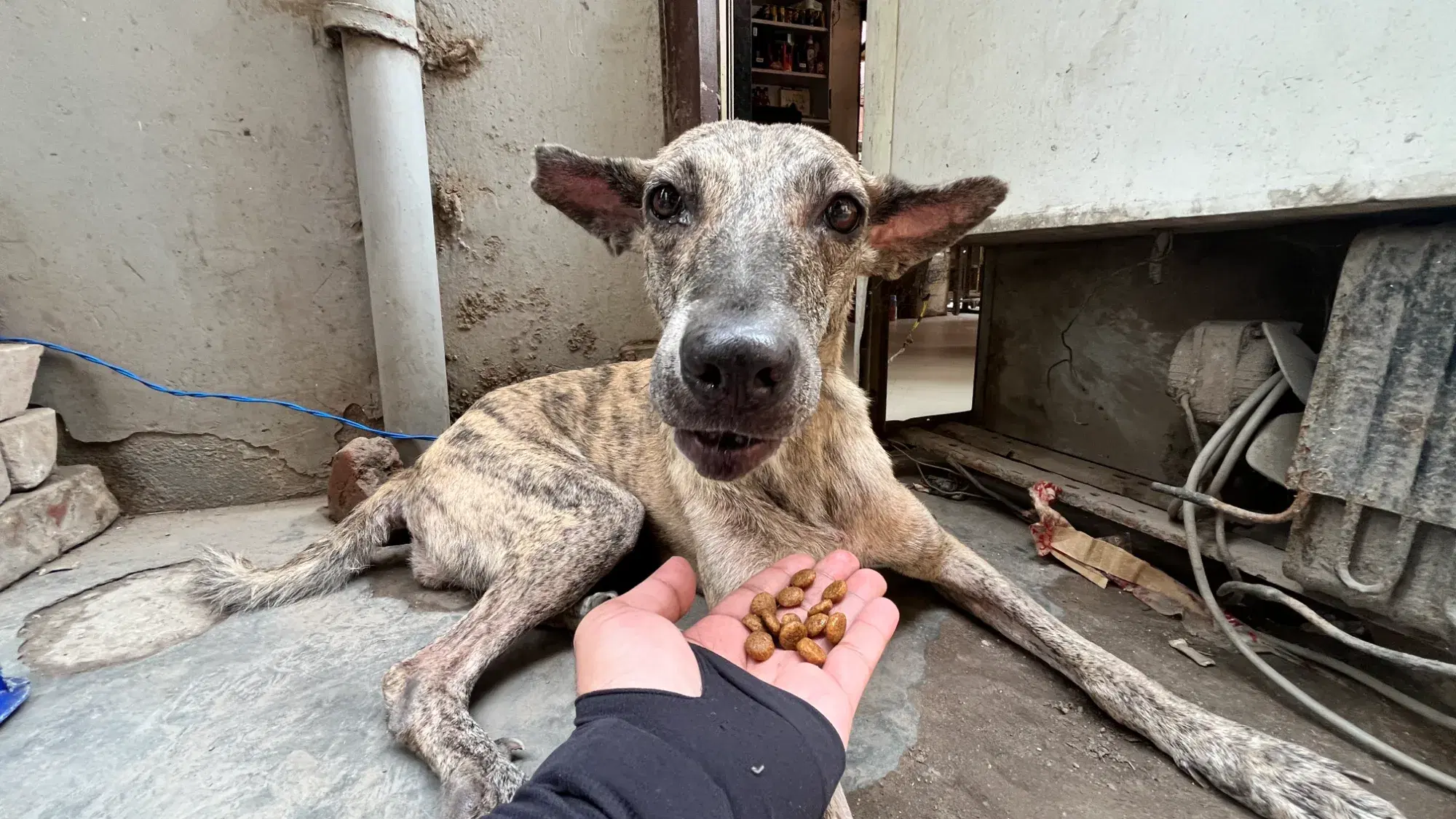
So instead, I rescue stray dogs, cats and birds — injured or sick — and take care of them for as long as it takes. Once they're back in health, I release them where I first found them.
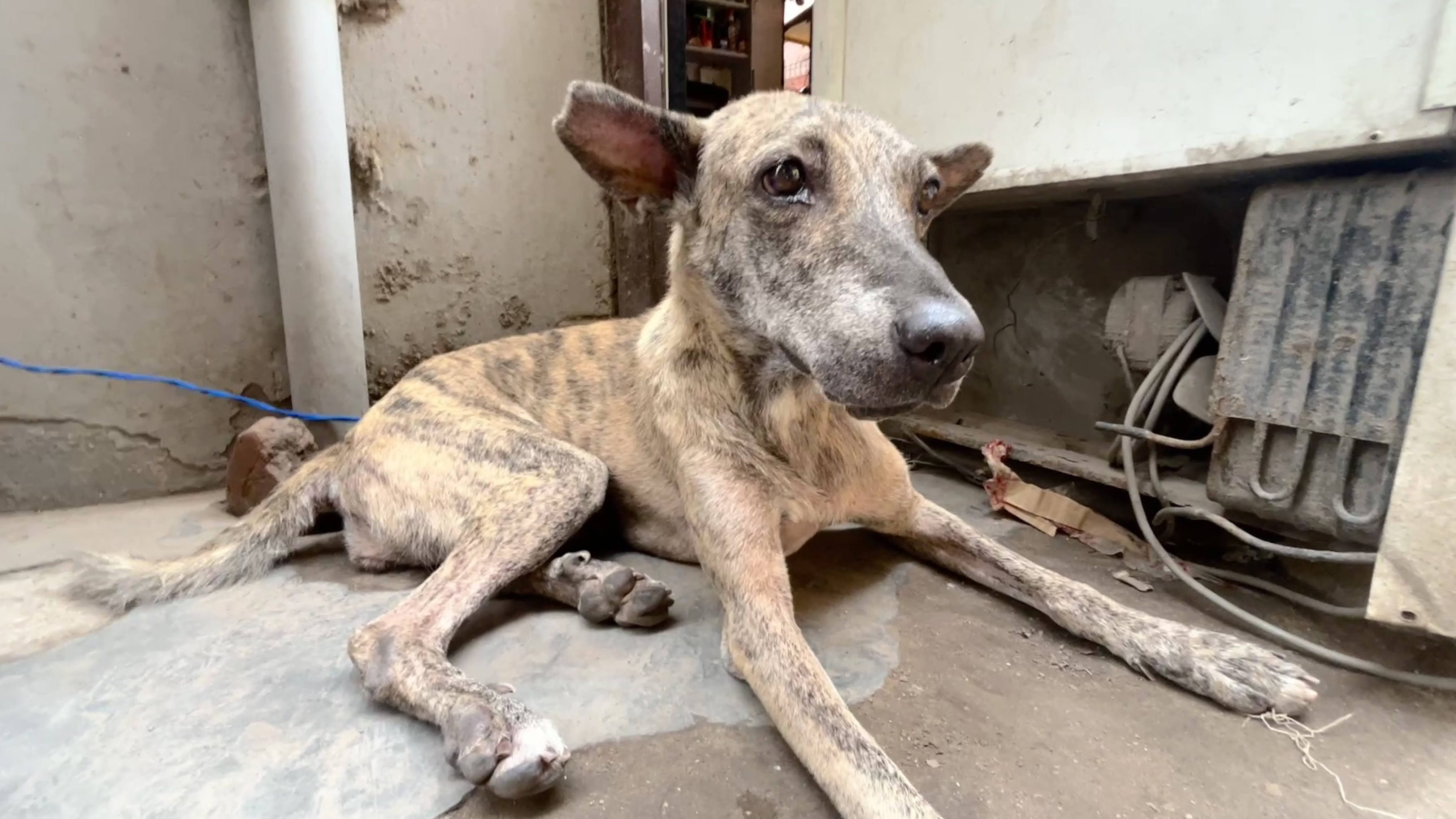
They seem to trust me, though sometimes it takes half an
hour or so to earn it. I carry them home in a carton box that, more often than
not, becomes their little recovery home in my room.
I love tending to animals. It is so much easier to love
them, to deal with them — there are no complex psychological layers. They are
exactly what they appear to be, forthright about how they feel, open to
kindness, and they show gratitude in their own way. I feel for them, too. We
humans have forced them to live at the margins of city life; they somehow eke
out a living, but they don't deserve this hazardous existence.
I love their resilience. Life adapts, for those who
survive. This will be the first in a series on urban animals learning to live
in sync with the city.