

JEANS IS PART OF THE HUMAN GENE
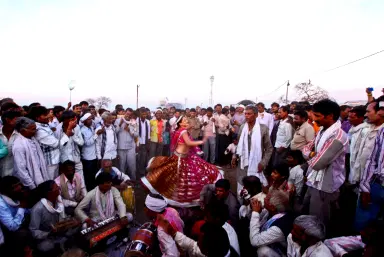
A pair of jeans. There’s hardly any country in the world where it isn’t worn, even when the tribal communities integrate with the mainstream, they take up to wearing jeans. Back here, you drive pass a construction site, labours are seen working in the sweltering heat wearing jeans. It’s kind of all pervasive.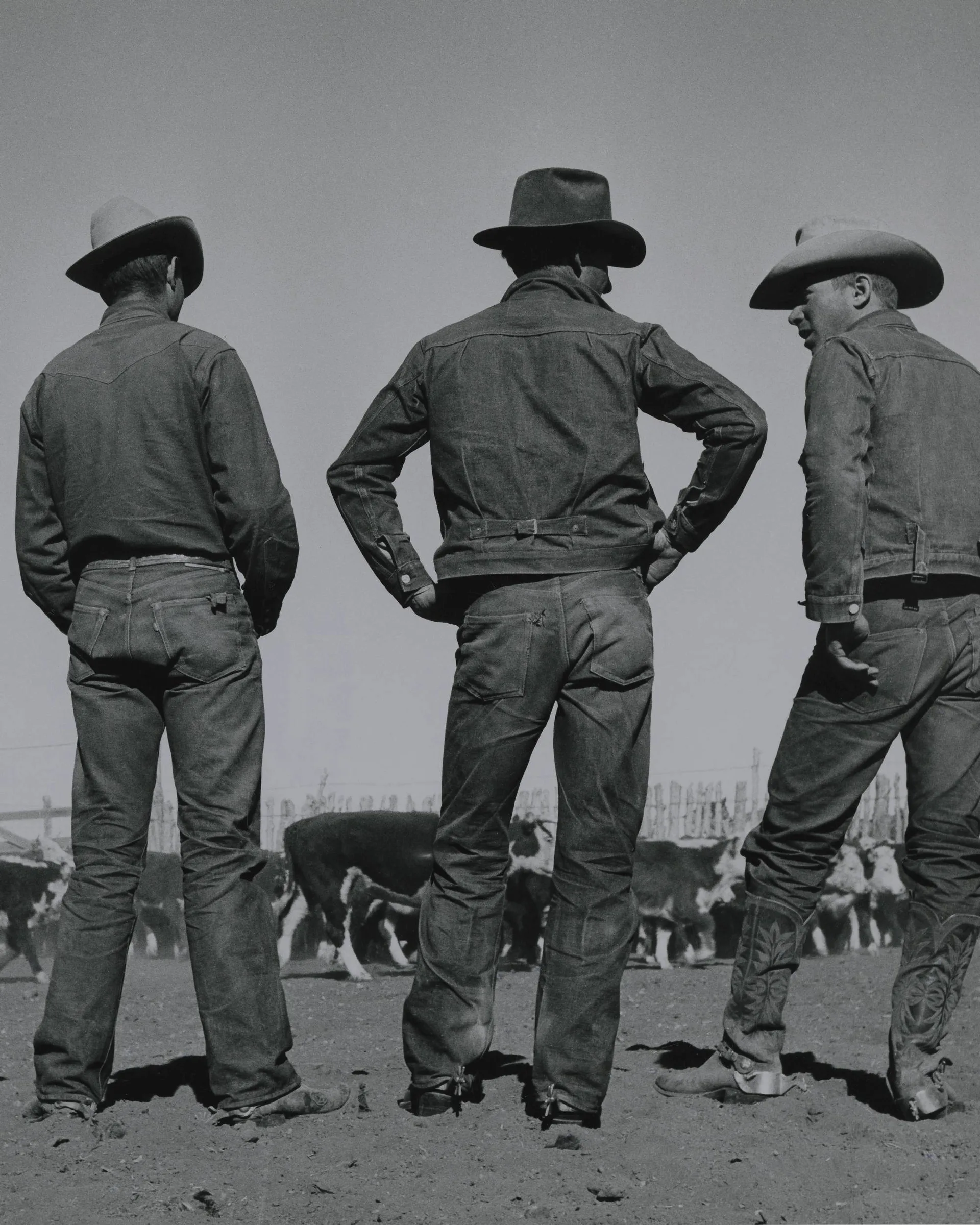
Think of it, the guffness of the cotton fabric, that’s denim, though robust, is not best suited for both cold and hot climes, and yet, in the last century and a half, jeans is the most famous of all attire.
The first jeans were straight fit designed for the cowboys of America—the 501 of Levi Stratus, with button-fly closure instead of a zipper. Traditionally, one was supposed to live in jeans, ‘live-in’, and it would, with time, become a second skin. The process is akin to breaking in shoes.
In the last 50 years or so, there has been so many fits of the jeans: skinny-fit-regular-loose-baggy are five broad categories, and each category has many variants. It could be distressed, with patches, paint, artwork, torn or tattered, with gaping holes showing tattoos. There can be infinite permutation and combinations. Denim has revolutionized to suits various climes, and the market value for denim is estimated to be worth 27. 1 billion US dollars in 2022, and is expected to increase to over 35 billion by 2027. Lately, Japanese denim, like whiskey, has gained the reputation to be the best in the world.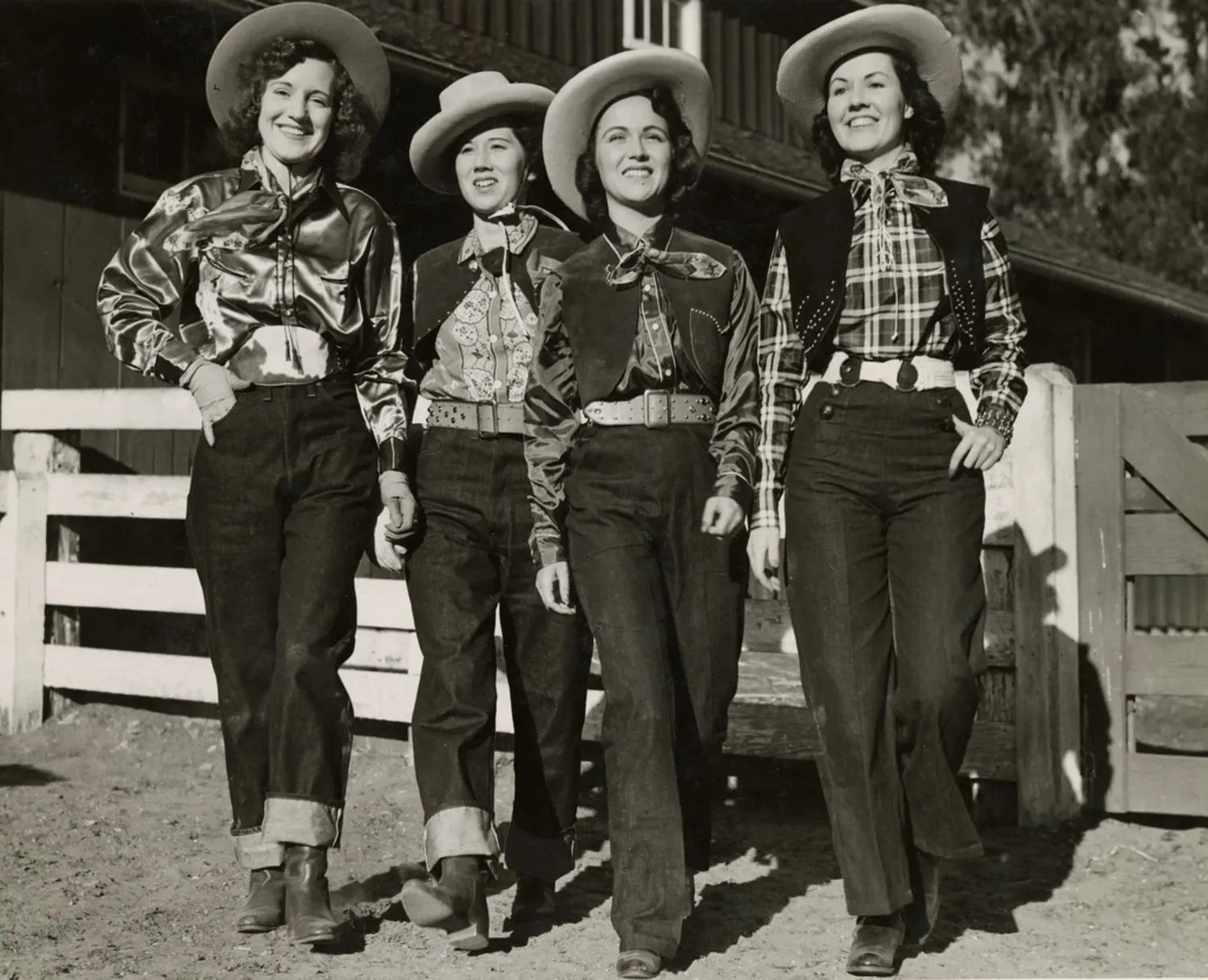
Jeans became a cult clothing for so many groups, almost an identifying factor. After cowboys, it became work clothes, then came to be associated with the African Americans during slavery. Later, the blue denim became the ‘uniform’ of the civil rights movement.
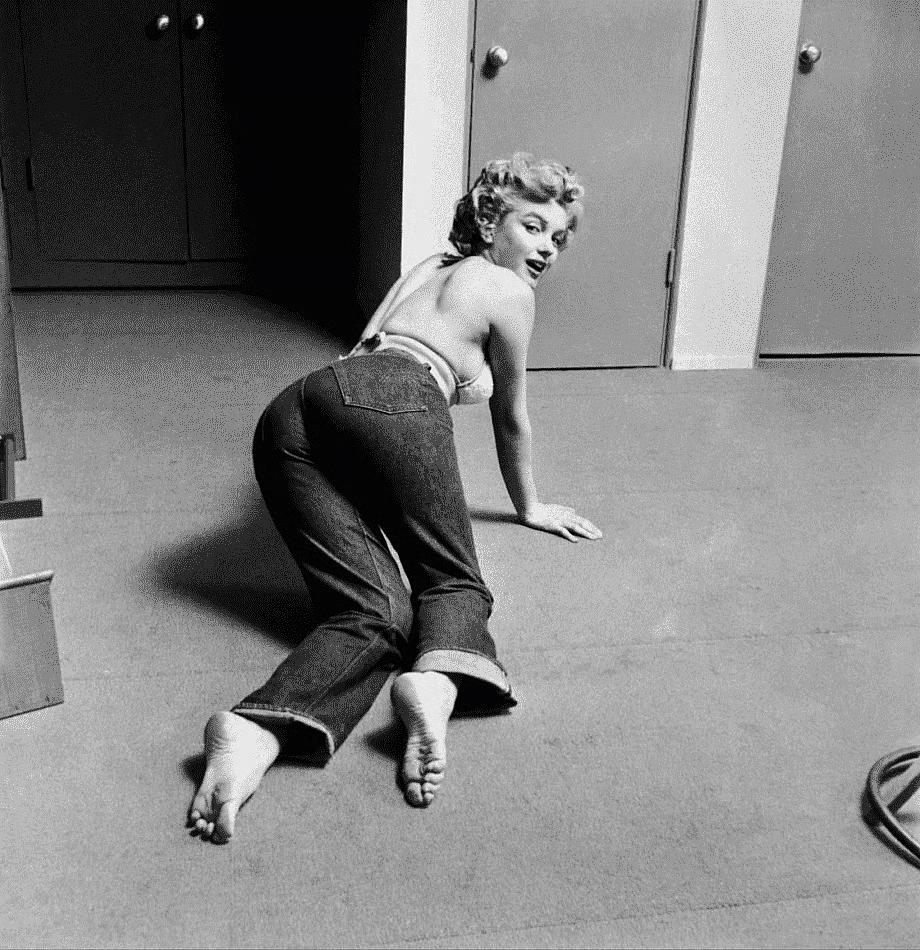
Gender parity was ensured after almost 50 years when, in 1934, “Lady Levi’s” were launched—Lot 701 was the world’s first pair of jeans made exclusively for women and became very popular with working-class women in America. While Marlon Brando and James Dean personified hunks in jeans, Marilyn Monroe is credited for making jeans in vogue for women, she wore jeans with aplomb in the movie River Of No Return.
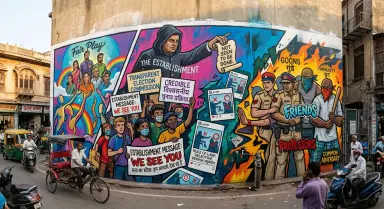
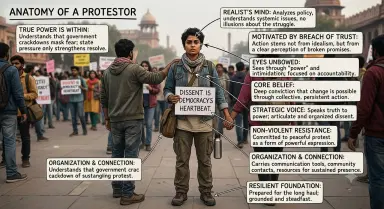
With time, jeans came to symbolise solidarity among people who were seeking change from the status quo, a power shift, iconoclasts, even criminals. Avijeet Das, a poet and a writer of repute, linked jeans to the larger existential question: “The holes in my jeans and the holes in my boots make me whole”.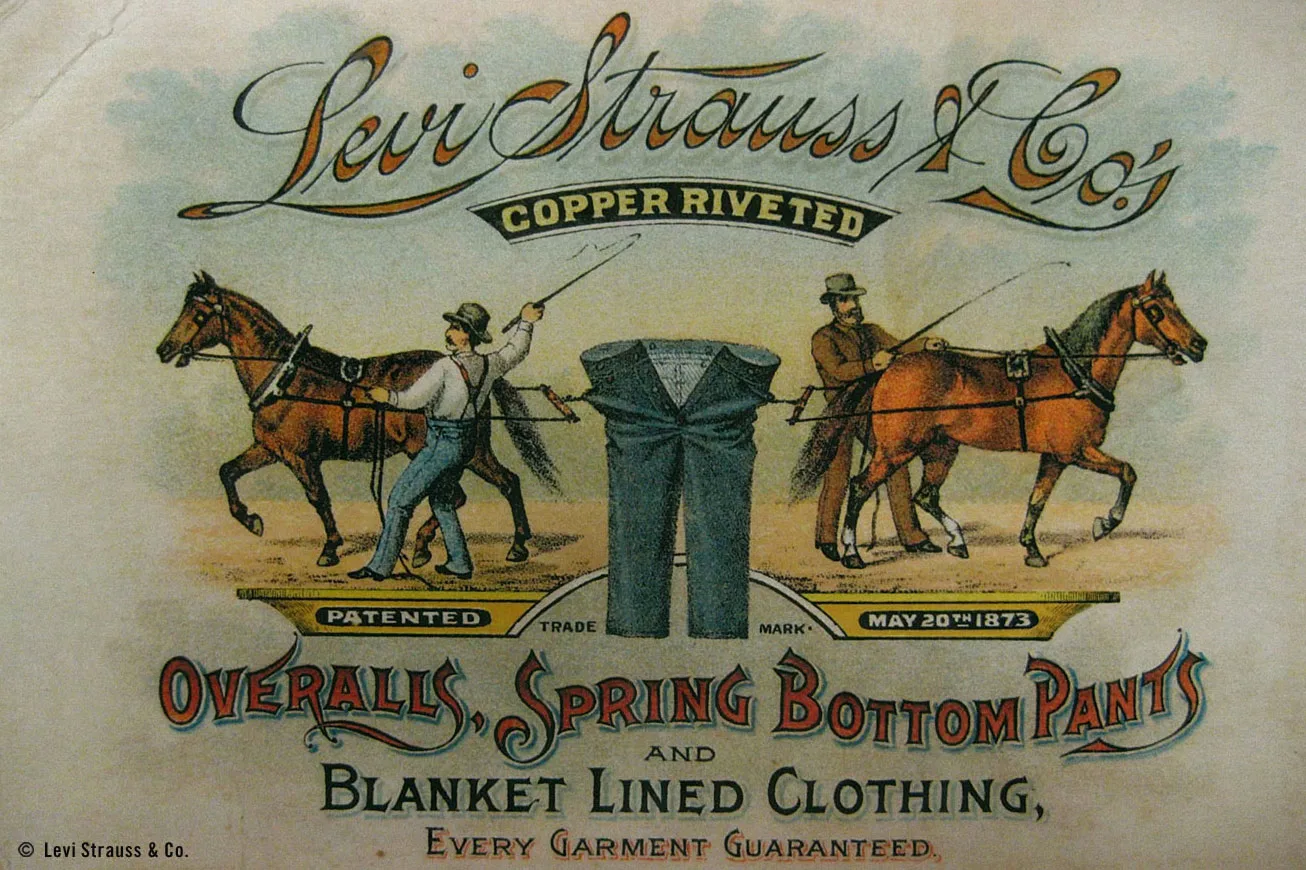
Not just them, everyone seems to have a theory on jeans. Me as well. I have no specific preference, and am open to experimentation when it comes to things in life, also jeans. Collecting jeans from all over the world is one of my obsessions. In the last 20 years, I would have purchased some 250 jeans, some very expensive ones, some dirt cheap, and at the moment would have some 80 stashed in a wooden chest of drawers, and the rest was distributed to friends and jeans lovers
We encourage you to share your jeans story.