

Devotion and Deals
Rangapanchami is
celebrated five days after Holi. The fair is attended by lakhs of pilgrims from the nearby
States of Uttar Pradesh and Rajasthan that takes place at the Janki Mata Temple in Kareila village, Ashoknagar
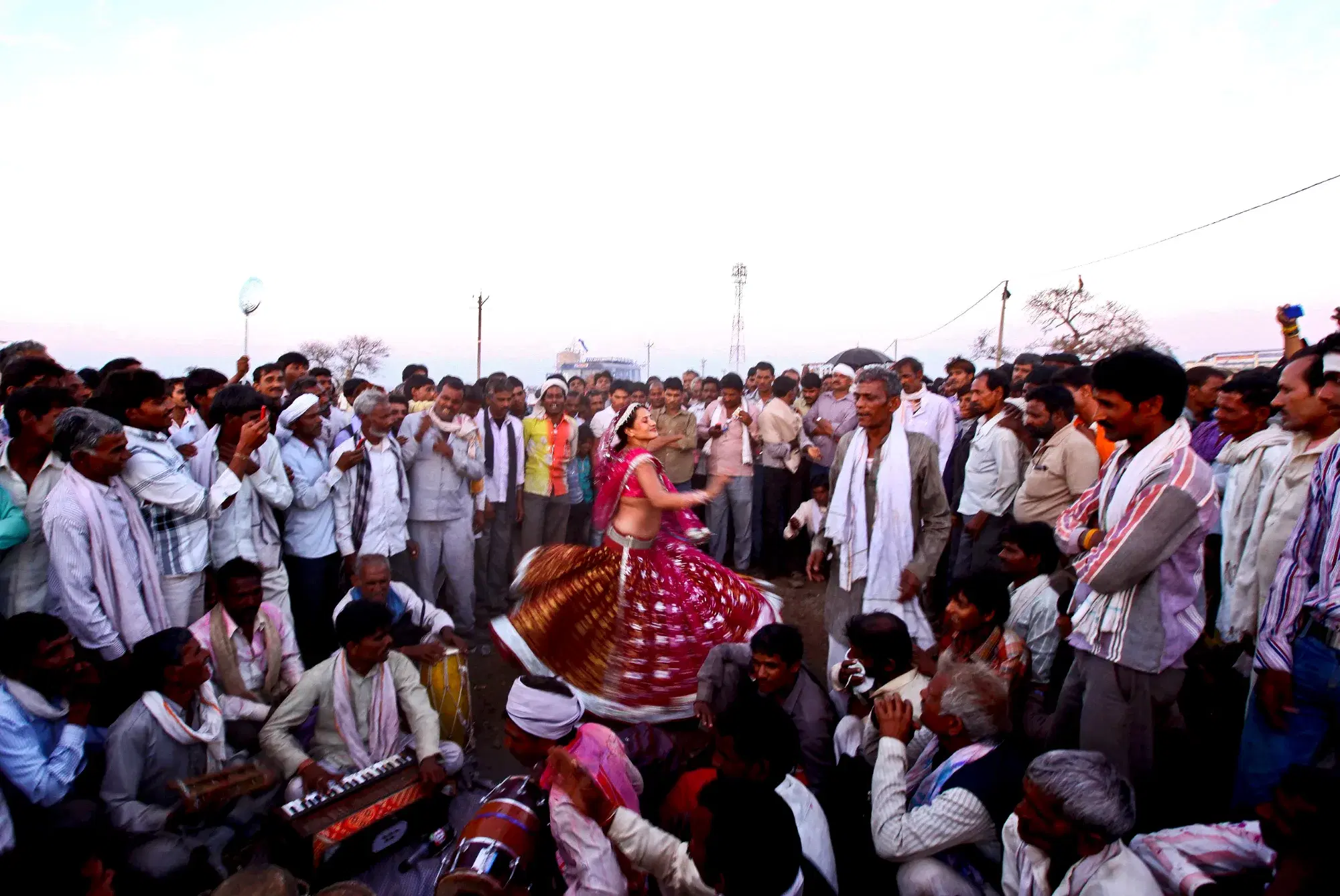
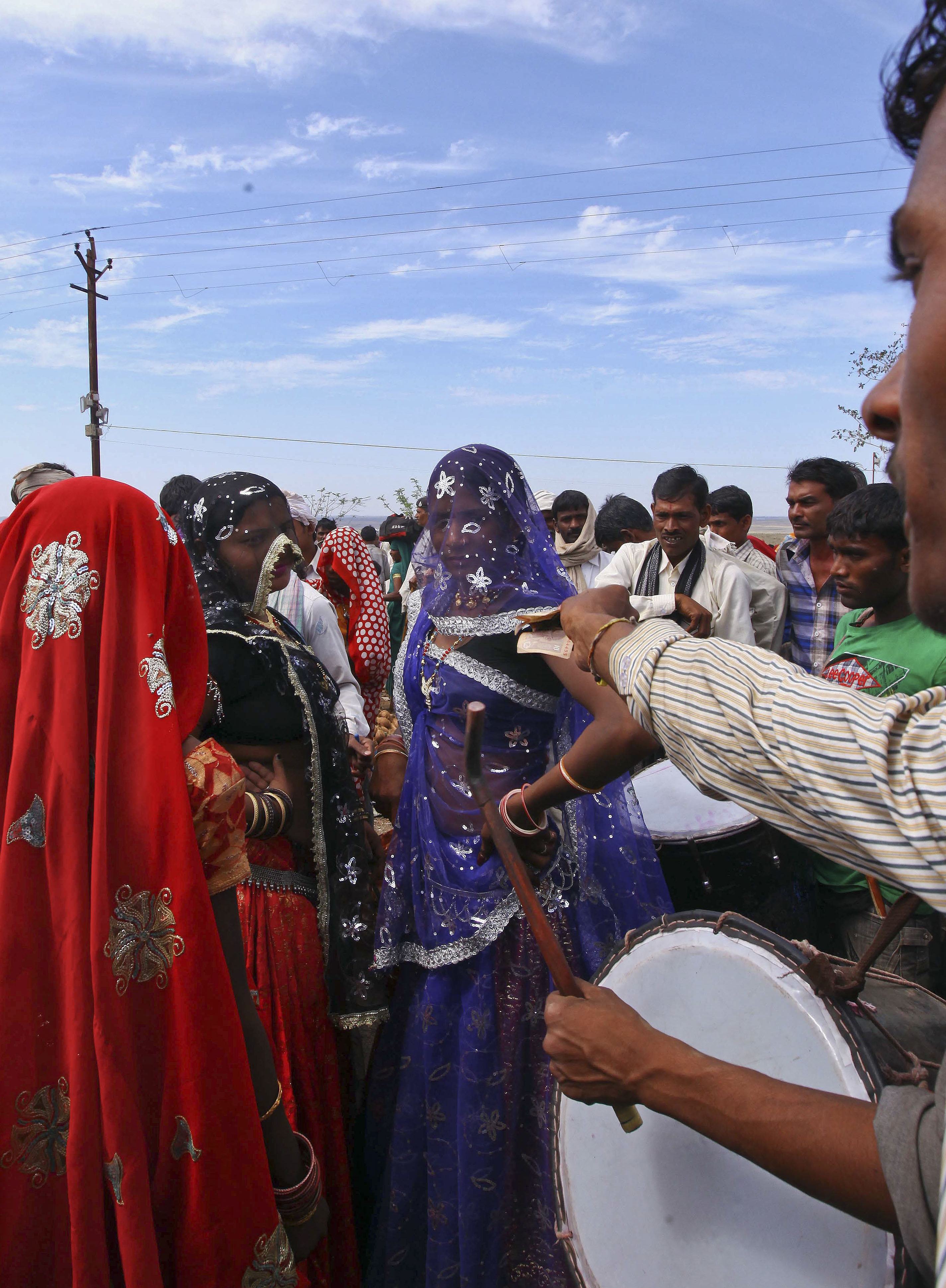
district of Bundelkhand region. The main attraction is the Rai dance—characterized
by fast, rhythmic footwork and swirling motions around the Mridangam (a traditional
drum) and the Dholak—performed
by the Bedia women as an act of devotion or a celebration of fulfilled wishes or
mannat.
Traditionally,
many of the Bedia dancers were sex workers. Bedia settlements virtually institutionalized
prostitution, to many families was the primary catalyst responsible for
generating livelihood. Things have changed, or at least changing, but the social
stigma is sticky. Their reputation precedes the dancers. They are conflated
with sex work despite varied initiatives of the government and civil society to
try separate the folk dance from exploitation. Rai dance, in spite of the
social stigma, is an integral to the cultural heritage of the region of
Bundelkhand. And in recent times, is performed by both men and women across
multiple communities and castes removed from sex work.
But when
I went there, for a brief while, ten years ago, saw them in action, ecstatic performances.
Later, money was exchanged, deals were struck. Bedia community has no qualms about
it, to them there’s no moral question attached. Prostitution is a legitimate profession,
and livelihood is to be made.