VEIL-IFIED
I’m a Muslim man who has an opinion on hijab: It has to be the decision of the woman concerned.
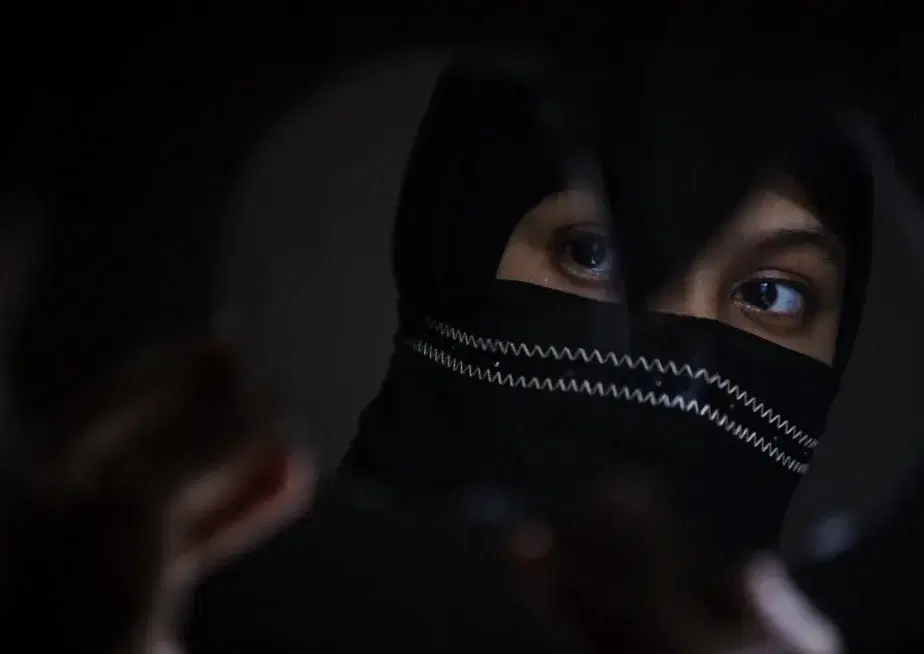
I took photographs of women in hijab over the years, an ongoing project. I’m still not sure whether to call it a hijab or naakab—in the latter no part of the face but eyes are visible while hijab is a black cloth wrapped around the head, and the face is shown.
Islam germinated in the sandy Arab. Black magic (even the prophet was not immune) was performed, the evil eye was cast on the footprints embedded in the sand. Hijab, like a cape touching the ground, would erase the footprints. Hijab, thus, performed an important function; function became a tradition, and tradition became a religious practice.
Hijab is like looking inwards. "We seduce our own men and are not available to be seen by others," said one. Inside burkha is a desirous woman, keeping her energy flowing between her and her lover. They wear expensive outfits, laced lingerie to seduce the lover who’s the husband. A lot is happening; they are the queens of their private realms.
I have photographed women from the brothels. They are available to strangers to quench their sexual appetite. When they walk out in the open covered in a burkha, it gives them the feeling of a woman with a family, gaining respectability of the society that comes begging to them after the sundown.
I photographed a transwoman in Faridabad, she too would wear a burkha to dispense the need of makeup, a tedious process.
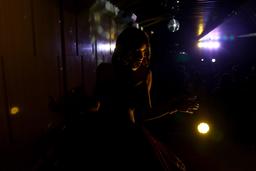
My opinion of the hijab is best expressed by a Filipino friend (in the last picture of the photo essay): “it’s my body, my face, my choice, my decision. (And the rest) Fuck off!”