India Had Its Own Edison. We Didn't Teach You His Name
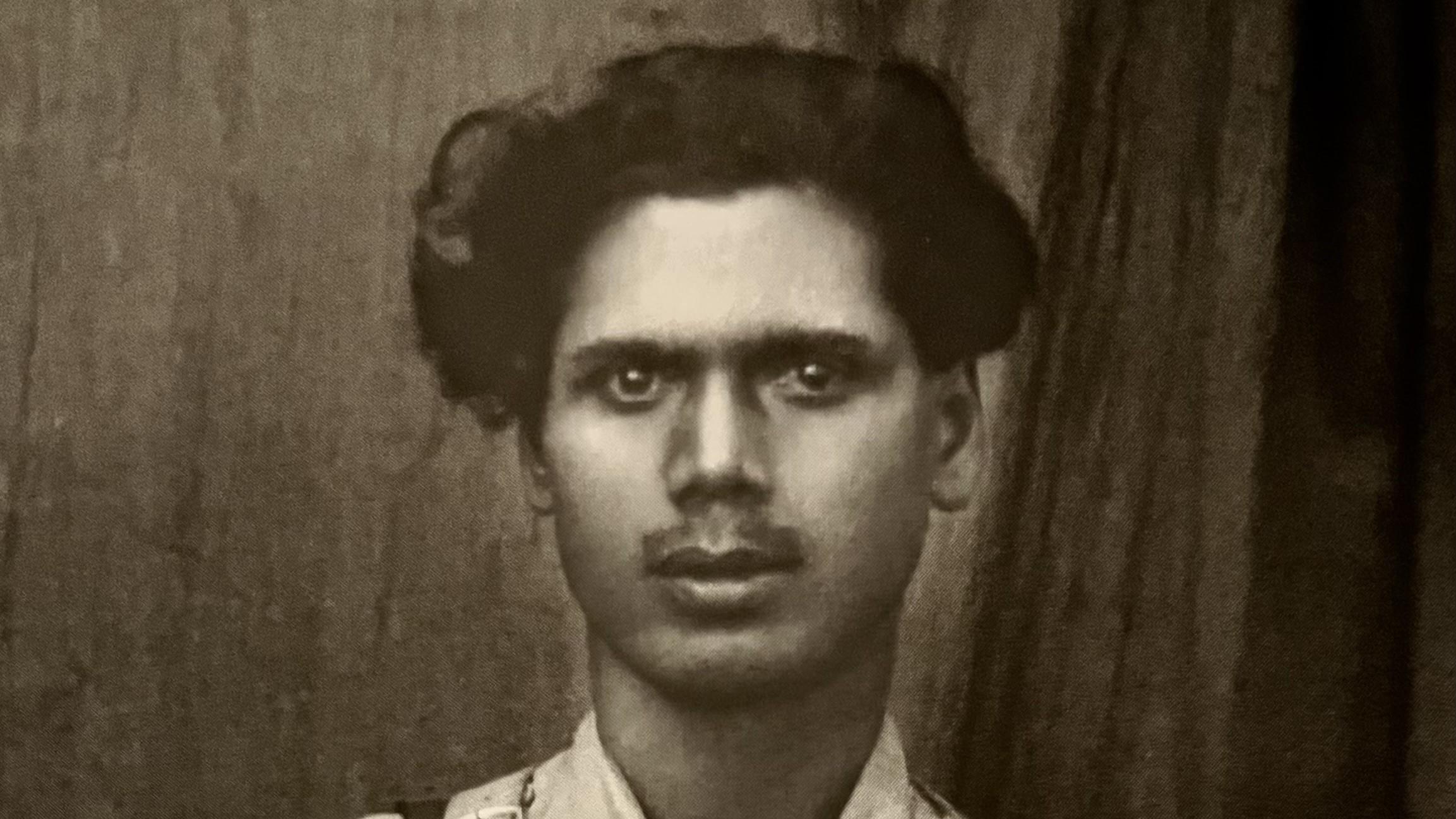
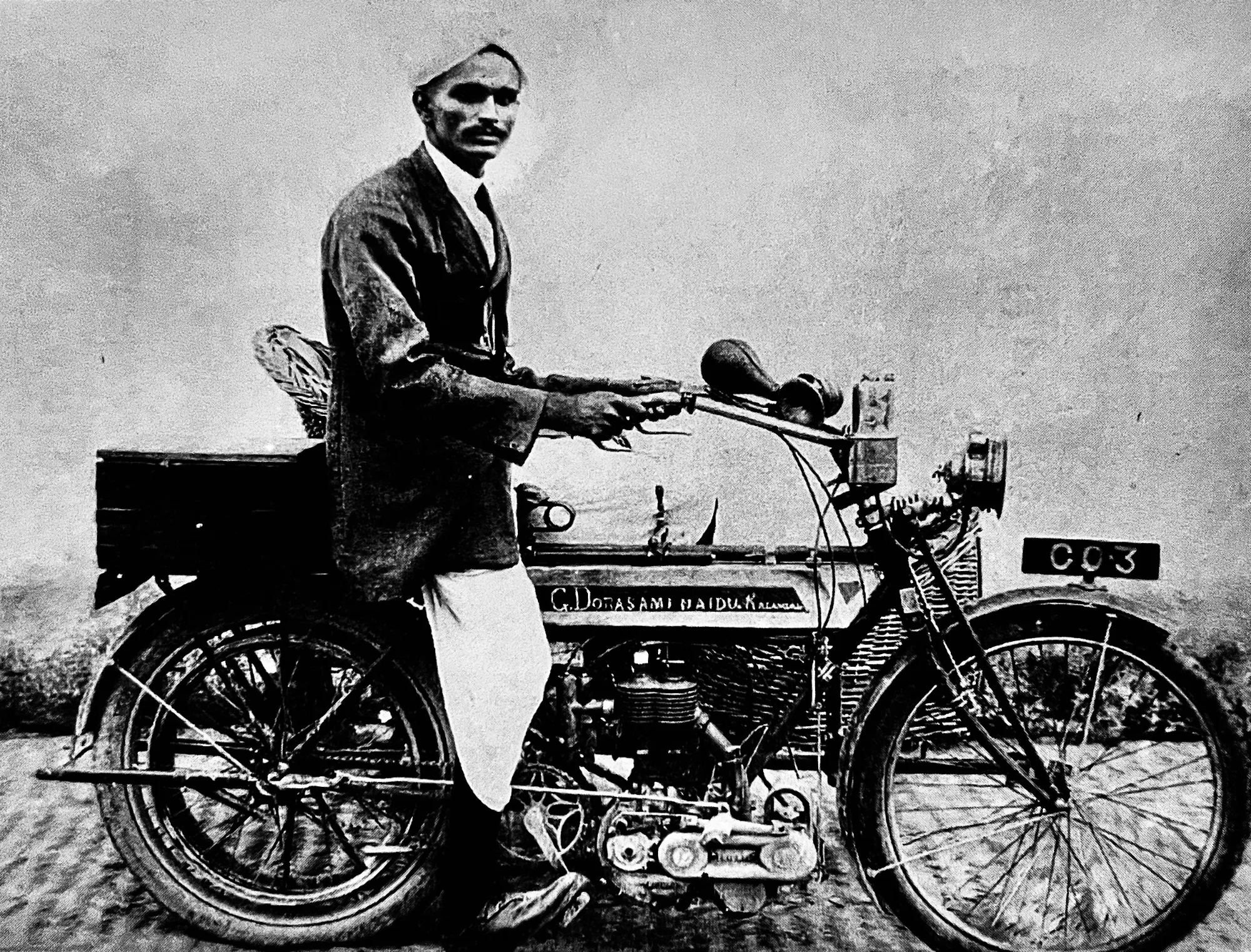
Gopalaswamy Doraiswamy Naidu (1893-1974) never finished school. Yet this self-taught inventor, industrialist, and philanthropist, often called the "Edison of India," went on to drive over a hundred innovations across transportation, electrical engineering, photography, and agriculture.
His inventions included the Rasant electric razor,
a tamper-proof voting machine, a ticket-vending device, a camera-lens distance
adjuster, a fruit juice extractor, and low-cost housing designs. In 1937 he
built India's first indigenous electric motor. He also made a four-stroke
internal combustion engine and, in 1952, a prototype two-seater petrol car.
He toured the world, including Germany, the UK, and
Belgium, to study cutting-edge technology and manufacturing, then brought that
knowledge home to build for the needs of millions of Indians. His razor shows
his range: he sourced motors from Germany, casings from Switzerland, and steel
from Sweden, and sold over 7,500 pieces in London in the first month. He was
also a skilled photographer, and filmed the funeral procession of King George V
while in London.
He was making a case for "Make in India"
when the country imported nearly everything and its raw materials fed Western
industry. But unlike Edison, he was no showman or marketer. He left many
creations unpatented, and he built for the joy of solving problems, not for
building a commercial empire. Colonial suppression, and later the regulatory
friction of independent India, kept most of his consumer inventions from ever
leaving the prototype stage.
Independence did not help him. Nehru's model of
Indian socialism put its faith in massive public-sector enterprises and heavy
industry, and private inventors outside the state's circle got little support.
Colonialism also lingered in the mind. We ended the
Raj but kept many of its instruments, education above all. Macaulay's
centralized, English-medium system displaced much of the indigenous,
community-funded learning of the gurukuls and madrasas, and it survived
independence largely intact. Our textbooks celebrated Edison, Einstein, and
Newton, and had little room for homegrown innovators without elite credentials.
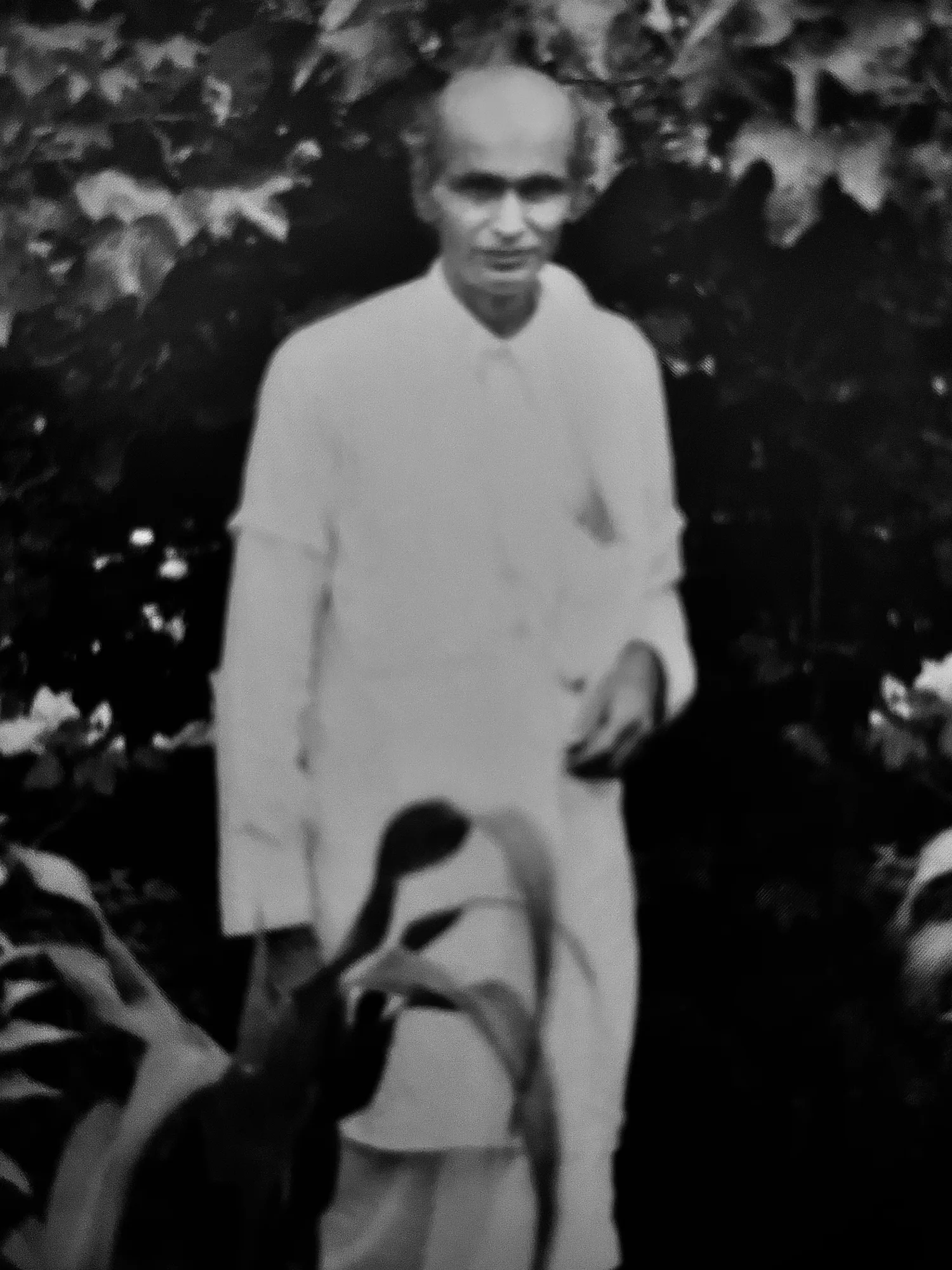
Naidu is the clearest example. His legacy stayed
local to Coimbatore, cut off from pan-Indian history, and generations grew up
not knowing his name.
That is slowly changing. A biopic, G.D.N.,
stars R. Madhavan in the title role. Purandara Babu of Hyderabad has written to
the President, the Prime Minister, and other constitutional authorities urging
a Bharat Ratna. "Despite his towering contributions to India's science,
technology and nation building…did not receive the national recognition he
deserves," he wrote.
He is right. Any account of how an ancient country
became a modern nation must include people like Naidu, a true son of the soil
and one of the finest minds of his time.