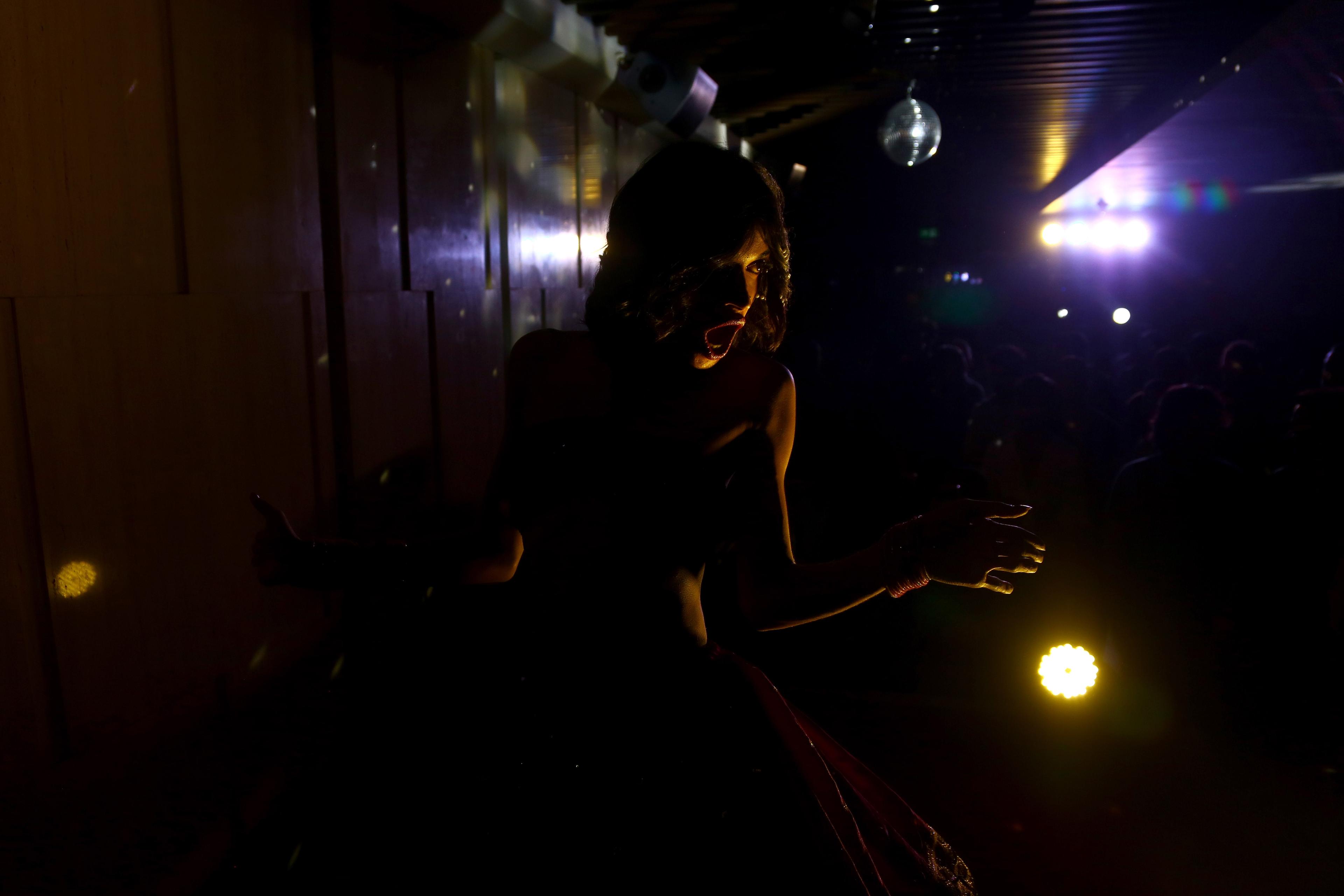
WELCOME TO THE FAIRYLAND OF THE DESI DRAG QUEENS
The roots lie in
queer culture, an offshoot of LGBTQ+ nightlife, and is most anticipated event
at gay bars and ballroom culture.
When I see a drag queen perform, I feel they are living
their dream in reality, almost akin to meditation. They perform in exaggerated,
often glamorous feminine clothing, makeup, and styling for entertainment; are mostly
a man, though some drag queens I have met are trans women, non-binary, or
cisgender women. They are theatrical, and what’s interesting to me is that they
might be straight, gay, or any orientation; the performance is not an
expression of gender identity, also doesn’t reflect in their off-stage day to
day life.
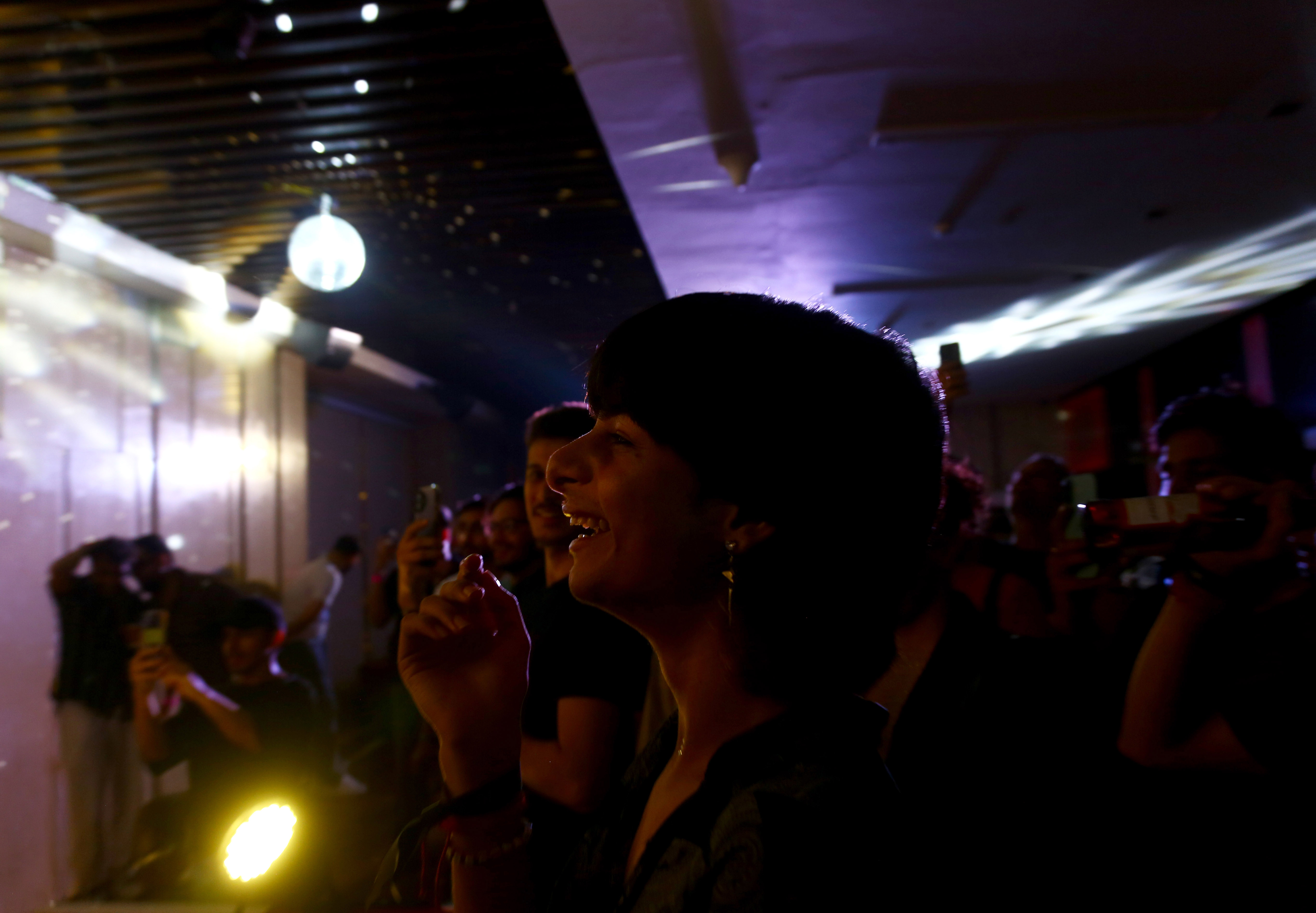
They are regulars at Kitty Su Pop's up at The Lalit (this
is one places where queerness is celebrated) in New Delhi, mostly dancing on Bollywood
numbers. The exaggeration suits them, and make them larger than life, big wigs,
elaborate makeup, dramatic outfits. There's also a counterpart "drag
king" where typically women or others performing exaggerated masculinity.
But I will visually deal with it some other time.
The roots lie in queer culture, an offshoot of LGBTQ+
nightlife, and is most anticipated event at gay bars and ballroom culture, started
in the US some 75 years ago. Though this way of performance is much older, I can
think of so many examples like an onnagata in traditional Japanese Kabuki
theatre, or men playing women's roles in Shakespearean theatre. In India,
there are so many examples; like Yakshagana and Kathakali
frequently feature male actors dressing as female deities or characters.
Welcome to the fairy land of the desi drag queens.