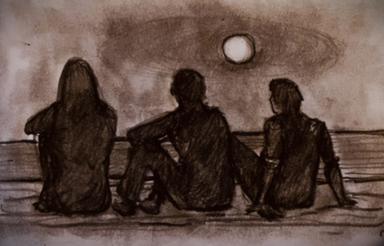




ASEXUAL DARSHAN LOVES EROTICA, HAS ELABORATE AND VIVID FANTASIES
Asexuality is a distinct sexual orientation that entails experiencing little to no sexual attraction to others. Darshan is a textbook case, but doesn't mean being devoid of desire. He seeks emotional intimacy —platonic, deep, non-romantic and, yet, has a high libido.
A
skinny-muscular, tall man of 32 with a dark complexion and big, expressive
eyes, Darshan is successful. He grew up in Bangalore, did his master's at an
Ivy League school, then settled in California, where he's minting money.
His
parents want him married. He's dodged the subject since he started working,
over seven years ago. The family senses something is amiss, so they've made
their peace with it: white, brown or black, man or woman, whoever he wants. If
he has someone in mind, he's welcome to talk about it freely. If not, they'll
happily arrange a match.

Darshan's
closest friends will vouch that he stays perennially single. He's lovely to be
around—a good badminton player, a jogger three times a week, game for most
things. But beyond a point, reached fairly soon, he shuts the door. A
significant part of his life stays private, an enigma even to his best friends
and to the younger brother he's close to.
We've
known each other for ten years. When we met, under circumstances beyond the
scope of this piece, he confided that he feels no connection between himself
and a sexual stimulus—by which he meant another human being. "That's
asexuality," I told him. "Not a disorder, a distinct
orientation." "Liberating and troublesome at once," he said,
thoughtfully.
It isn't celibacy, a sage's discipline of curbing desire by choice. Asexuality is the absence, or near-absence, of that desire itself—not a suppression of it. It shows up across cultures, classes, religions. The aromantic spectrum—or the aro-spec—is an umbrella term for people who experience little, no, or conditional romantic attraction that differs from societal expectations. And it shouldn't be confused with Hypoactive Sexual Desire Disorder, a drop in libido that causes real distress; asexuals, by contrast, are generally at peace with their lack of attraction.
I
wanted to be sure it wasn't a way of dodging something harder. "There's a
term—ego-dystonic distress," I told him, "for when someone feels
tormented by their own body or thoughts." It's an acute anxiety about
one's body, often genitalia, that breeds shame and low self-esteem—and some
people, to avoid confronting it, start performing asexuality as cover. In doing
so, they cut themselves off from the one thing that might actually help. The
fears can be strange, specific: I once knew a woman consumed by shame over the
stretch marks on her hip. Darshan claims no such trouble—if anything, he's
something of an exhibitionist.
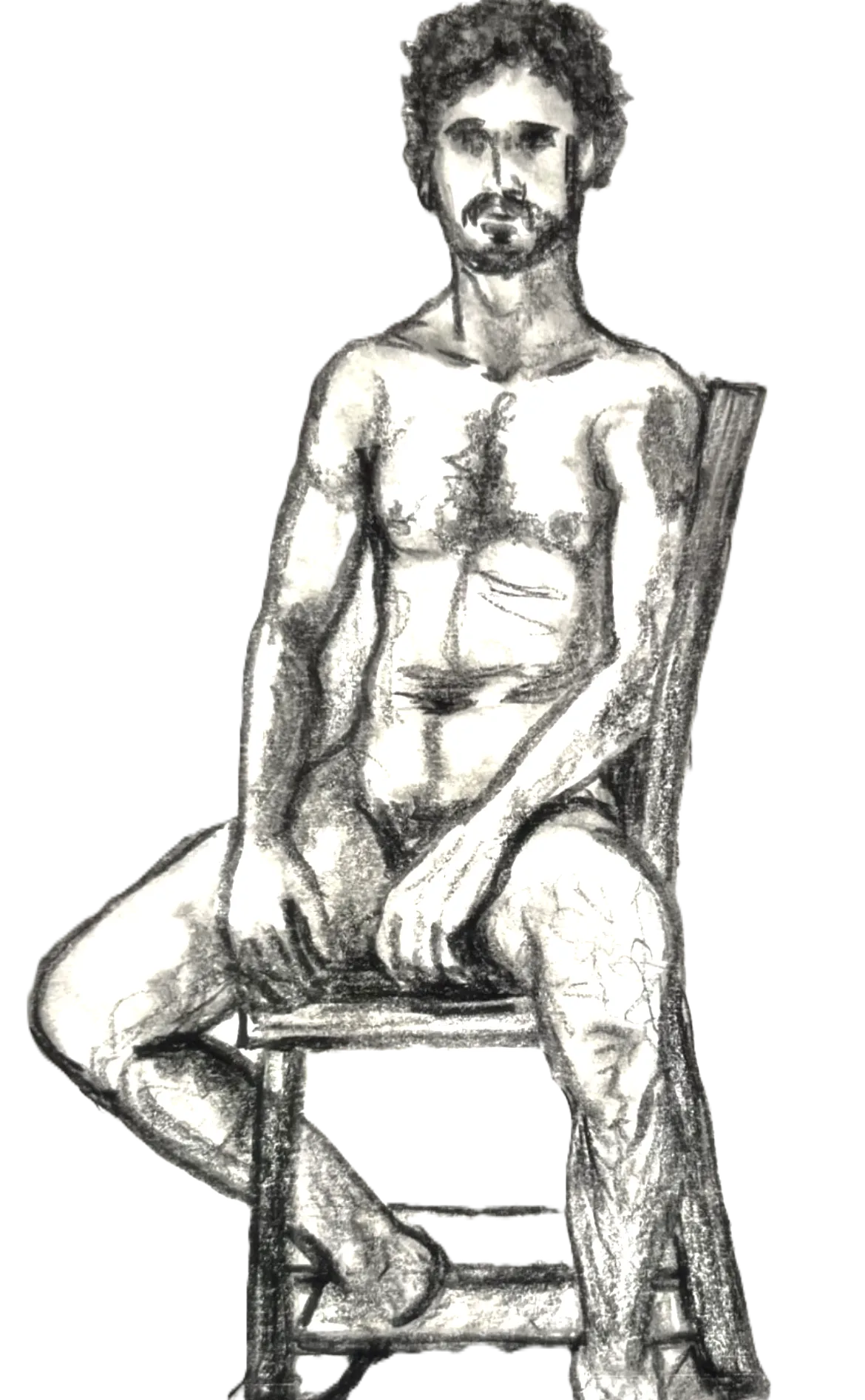
Darshan is a textbook case, and being asexual doesn't mean being without desire. He seeks emotional intimacy instead—platonic, deep, non-romantic. Not being sexually drawn to someone doesn't imply a low sex drive; some asexual people have a high one.
He isn't rigid about avoiding sex, either—he knows it's simply not his thing. He'd be generous enough to have it for a partner's pleasure, though that's never come up, or for his own release, the way he might go for a jog after a hard day. His attitude is closer to indifference: he'll do it if nothing better presents itself. Something better always does. That's why it has never happened.